

About Japan Passport
Ranking second globally, the Japanese passport grants citizens visa-free or visa-on-arrival access to 190 destinations worldwide. This means Japanese travelers can explore the world with remarkable ease, skipping embassy queues and diving straight into discovery. As one of the strongest passports in the world, it reflects the country's solid diplomatic relationships and international reputation.
The Ministry of Foreign Affairs Japan provides up-to-date information on visa requirements and exemptions, helping travelers stay informed before they head overseas. Japan's passport consistently ranks among the most powerful passports in the world, holding the top position from 2018 to 2024.
Whether traveling for business, leisure, or study, Japanese citizens can visit Europe visa-free and enter the United States or Canada with a simple online authorization instead of a full visa.
Visa-Free Countries for Japan Passport Holders
As of April 2025, Japanese citizens enjoy visa-free access to numerous countries and territories worldwide.
Albania
Andorra
Angola
Anguilla
Antigua and Barbuda
Argentina
Armenia
Aruba
Austria
Bahamas
Barbados
Belarus
Belgium
Belize
Bermuda
Bolivia
Bonaire; St. Eustatius and Saba
Bosnia and Herzegovina
Botswana
Brazil
British Virgin Islands
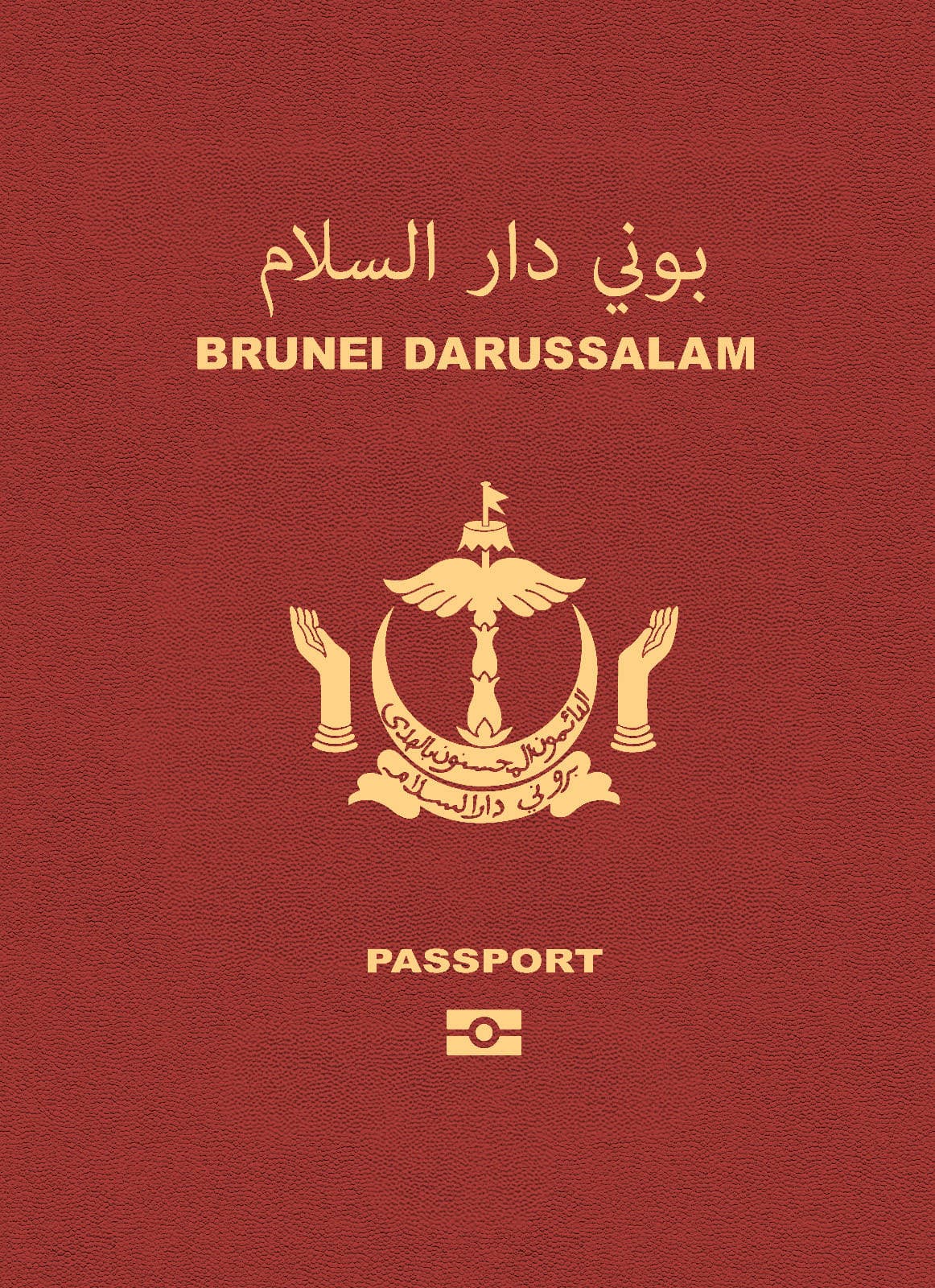
Brunei
Bulgaria
Cayman Islands
Chile
China
Colombia
Cook Islands
Costa Rica
Croatia
Curacao
Cyprus
Czechia
Denmark
Dominica
Dominican Republic
Ecuador
El Salvador
Estonia
eSwatini
Falkland Islands
Faroe Islands
Fiji
Finland
France
French Guiana
French Polynesia
French West Indies
Georgia
Germany
Gibraltar
Greece
Greenland
Grenada
Guam
Guatemala
Guyana
Haiti
Honduras
Hong Kong (SAR China)
Hungary
Iceland
Iran
Iraq
Ireland
Italy
Jamaica
Kazakhstan
Kiribati
Kosovo
Kyrgyzstan
Laos
Latvia
Lesotho
Liechtenstein
Lithuania
Luxembourg
Macao (SAR China)
Madagascar
Malawi
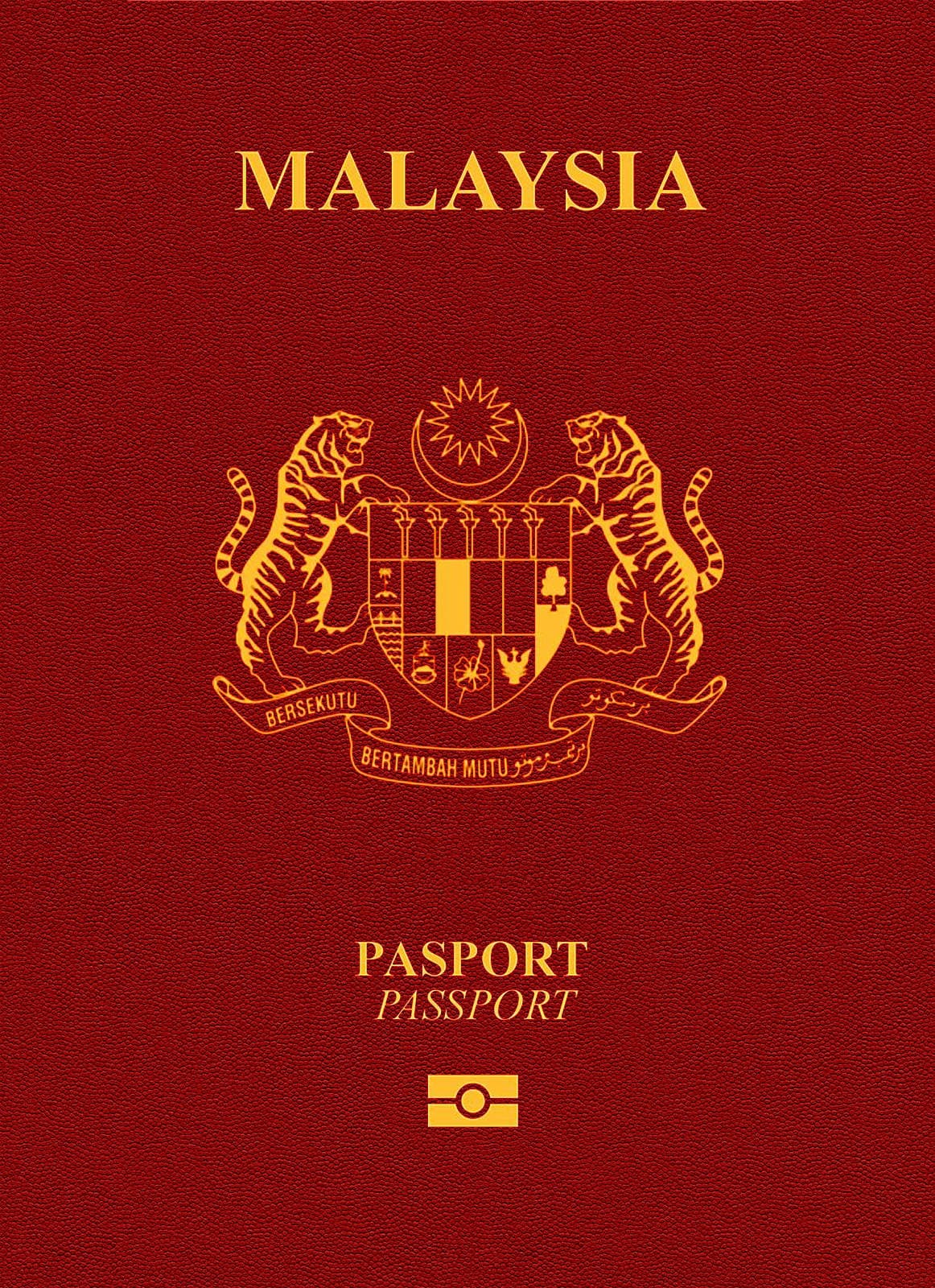
Malaysia
Malta
Mauritius
Mayotte
Mexico
Micronesia
Moldova
Monaco
Mongolia
Montenegro
Montserrat
Morocco
Mozambique
Namibia
Netherlands
New Caledonia
Nicaragua
Niue
North Macedonia
Northern Mariana Islands
Norway
Oman
Palestinian Territory
Panama
Paraguay
Peru
Philippines
Poland
Portugal
Reunion
Romania
San Marino
Sao Tome and Principe
Senegal
Serbia
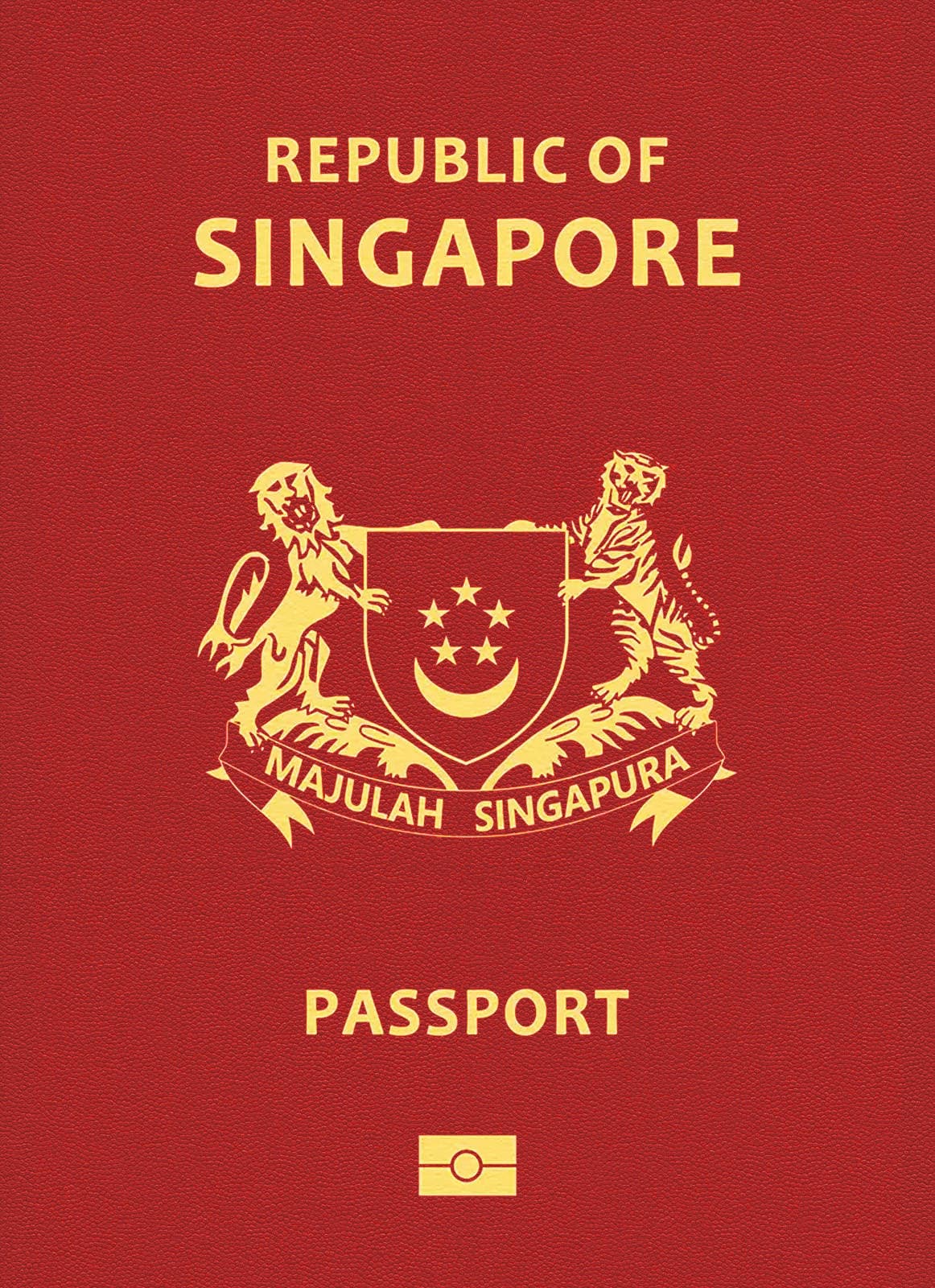
Singapore
Slovakia
Slovenia
South Africa
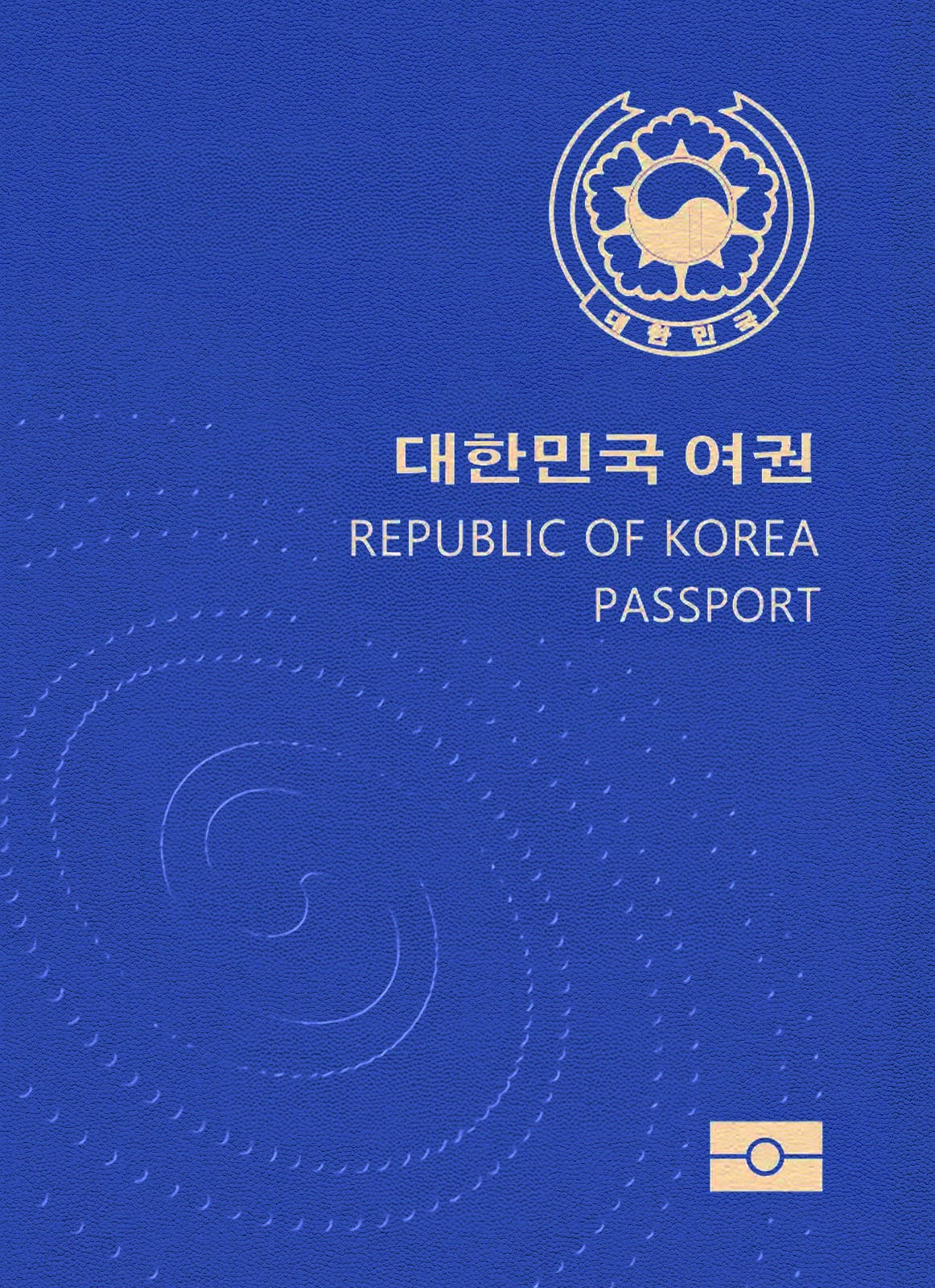
South Korea
Spain
St. Kitts and Nevis
St. Lucia
St. Maarten
St. Vincent and the Grenadines
Suriname
Sweden
Switzerland
Taiwan (Chinese Taipei)
Tajikistan
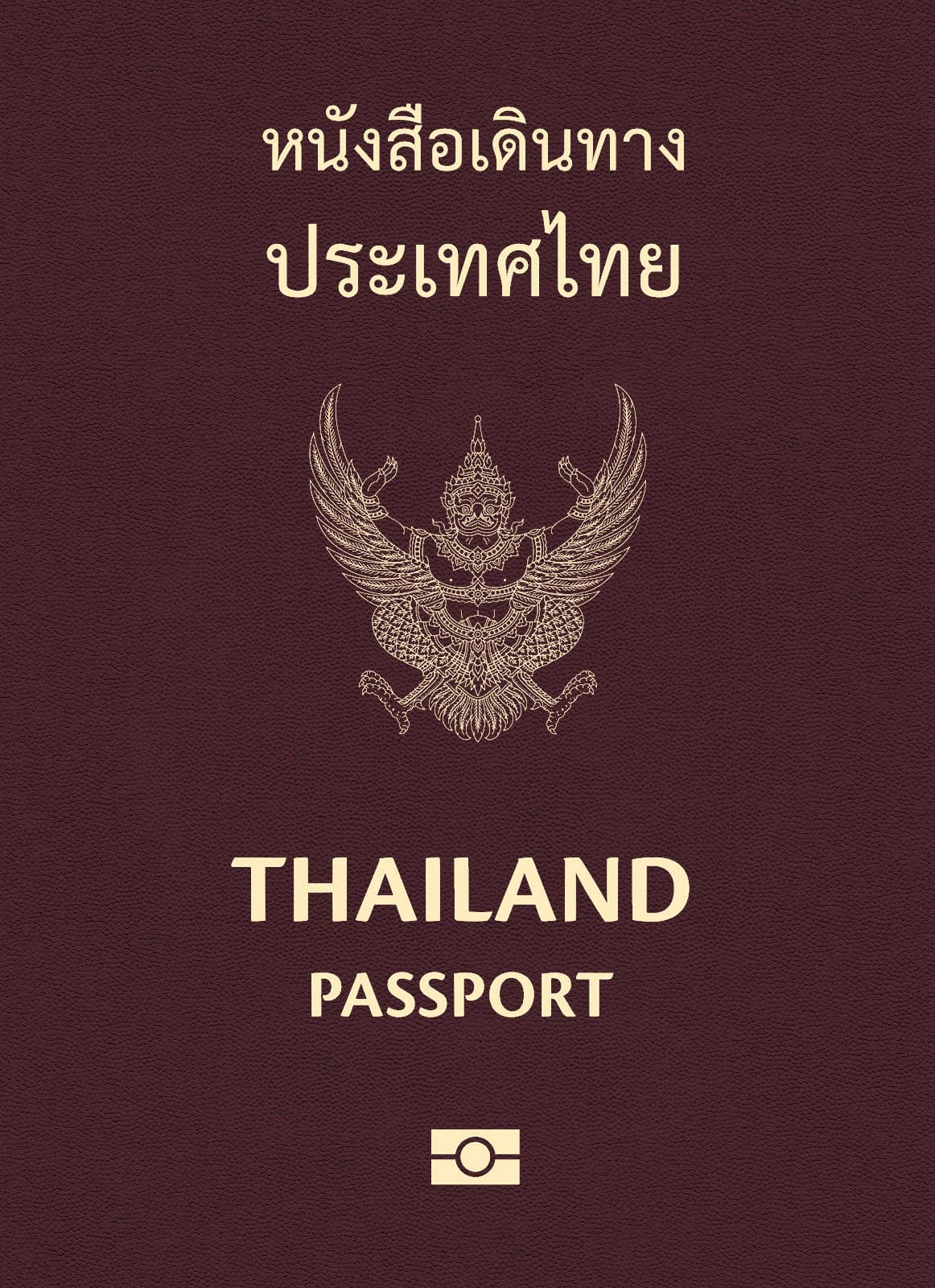
Thailand
Trinidad and Tobago
Tunisia
Türkiye
Turks and Caicos Islands
Ukraine
United Arab Emirates
Uruguay
Uzbekistan
Vanuatu
Vatican City
Venezuela
Vietnam
Zambia
Visa on Arrival (VOA) Countries for Japan Passport Holders
Azerbaijan
Bahrain
Bangladesh
Burundi
Cambodia
Cape Verde Islands
Comoro Islands
Djibouti
Egypt
Ethiopia
Guinea-Bissau
India
Indonesia
Jordan
Kuwait
Lebanon
Malawi
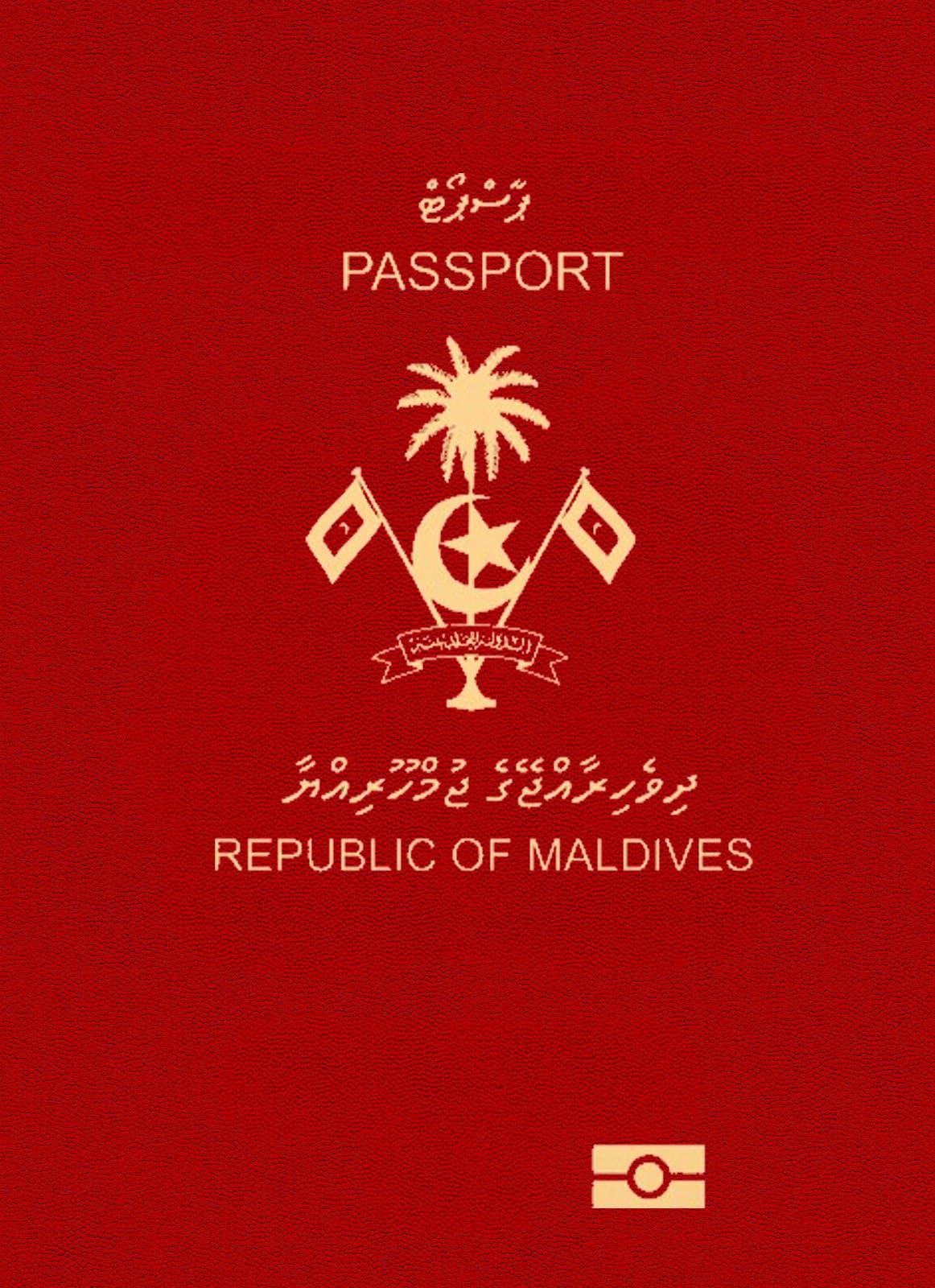
Maldives
Marshall Islands
Myanmar
Nepal
Palau Islands
Qatar
Rwanda
Samoa
Saudi Arabia
Sierra Leone
Solomon Islands
Somalia
St. Helena
Tanzania
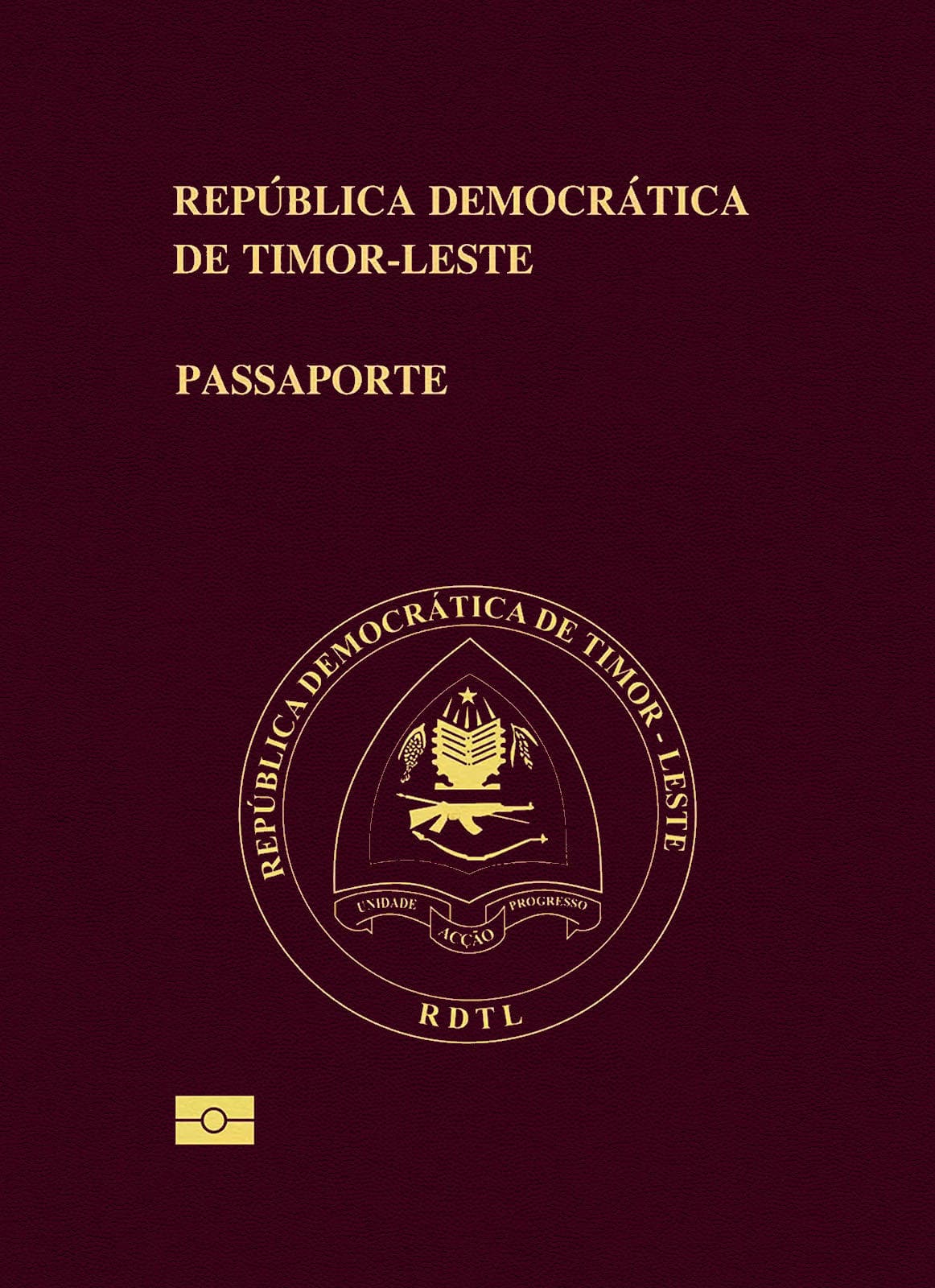
Timor-Leste
Tonga
Tuvalu
Zimbabwe
Countries Offering E-Visas to Japanese Citizens
Benin
Burkina Faso
Cameroon
Cuba
Equatorial Guinea
Gabon
Guinea
Mauritania
Pakistan
Papua New Guinea
Russian Federation
Syria
Togo
Uganda
Countries Offering ETA for Japanese Citizens
American Samoa
Australia
Canada
Israel
Kenya
New Zealand
Puerto Rico
Seychelles
Sri Lanka
United Kingdom
United States
US Virgin Islands
How Long Is a Japanese Passport Valid?
Japanese passports come in two types, both issued to ordinary citizens, and the colour indicates their validity:
Red passport (10-year validity): Issued to Japanese citizens aged 20 and above.
Blue passport (5-year validity): This passport is issued to citizens of any age, but it is the only option for those under 18.
This system helps ensure that younger travellers, whose appearance may change more quickly, have regularly updated passport photos for smoother identification.
When renewing a passport, any remaining time from your previous one won’t carry over—it’s always a fresh issue. For full details and requirements, visit the official website of the Ministry of Foreign Affairs of Japan.
What Does a Japanese Passport Look Like?
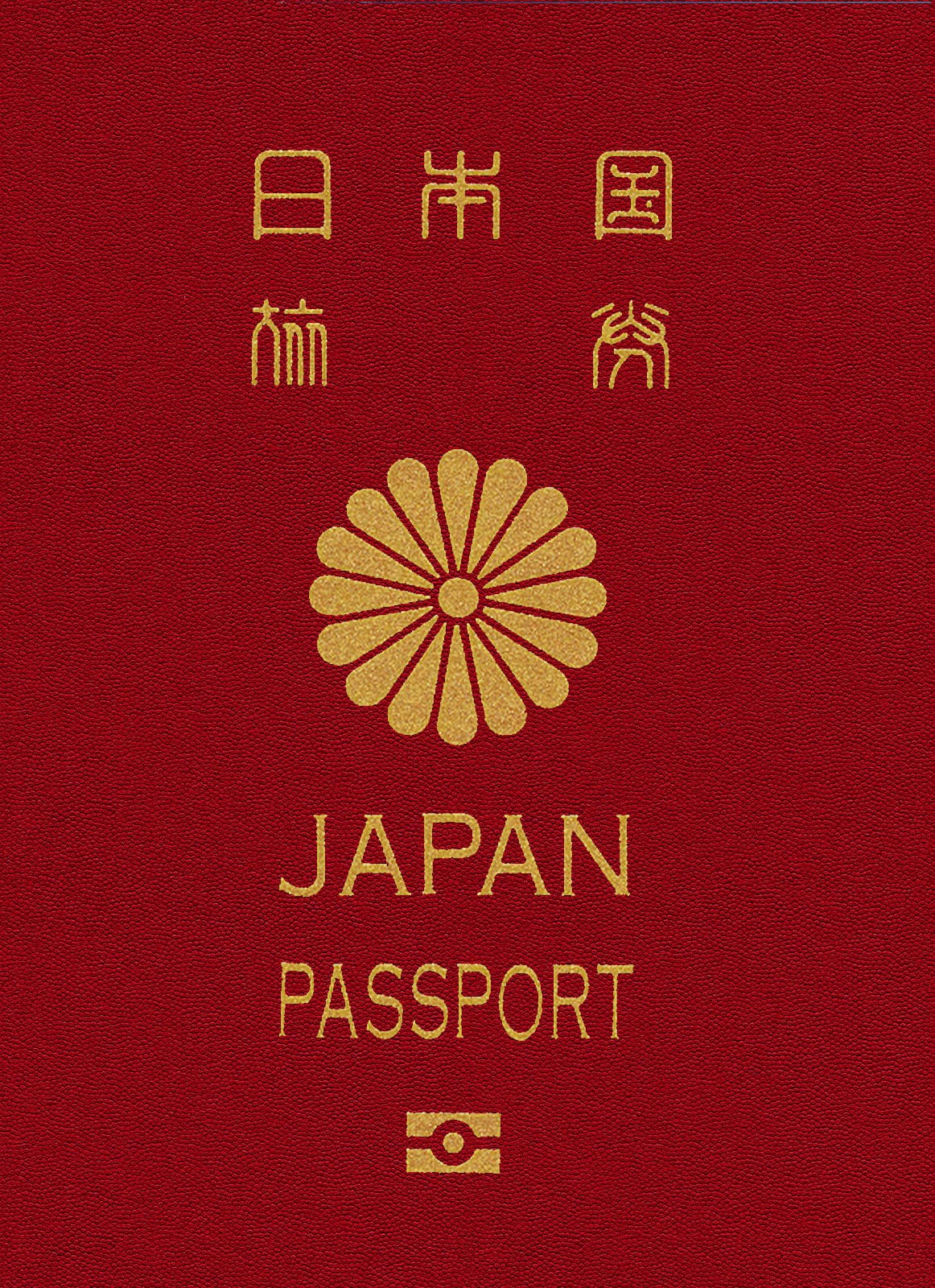
The Japanese passport has a clean and elegant design.
It comes in two colours:
Deep red for 10-year validity
Blue for 5-year validity
Both versions have a sleek, matte finish.
On the cover, you'll see a golden chrysanthemum crest, Japan’s national emblem and a symbol of the Imperial family. Below it are the words “JAPAN PASSPORT” in gold. At the bottom, a small symbol shows a biometric passport, meaning it has a microchip for secure identification.
Inside the passport:
There's a formal message from Japan’s Foreign Minister.
It politely asks other countries to let the passport holder travel freely and to offer help if needed.
This message is a traditional diplomatic request made on behalf of all Japanese citizens.
Inside the Info Page of a Japanese Passport
This page contains all your key identity details:
Photograph of the passport holder (biometric-compatible).
Type: P – indicates it's a passport.
Country code: JPN – Japan.
Passport number: Located in the top right (e.g., XS1234567).
Surname (e.g., GAIMU) and Given name (e.g., SAKURA).
Nationality: JAPAN.
Date of birth: The Format used is DD MMM YYYY (e.g., 20 FEB 1979).
Registered Domicile: A Japanese administrative area (e.g., KANAGAWA).
Sex: M or F.
Date of issue: (e.g., 01 JAN 2006).
Date of expiry: (e.g., 01 JAN 2011).
Authority: MINISTRY OF FOREIGN AFFAIRS.
Signature of bearer (Handwritten).
Machine-Readable Zone (MRZ): Located at the bottom, this is scanned at immigration. It consists of two lines of letters and numbers used for automated reading.