
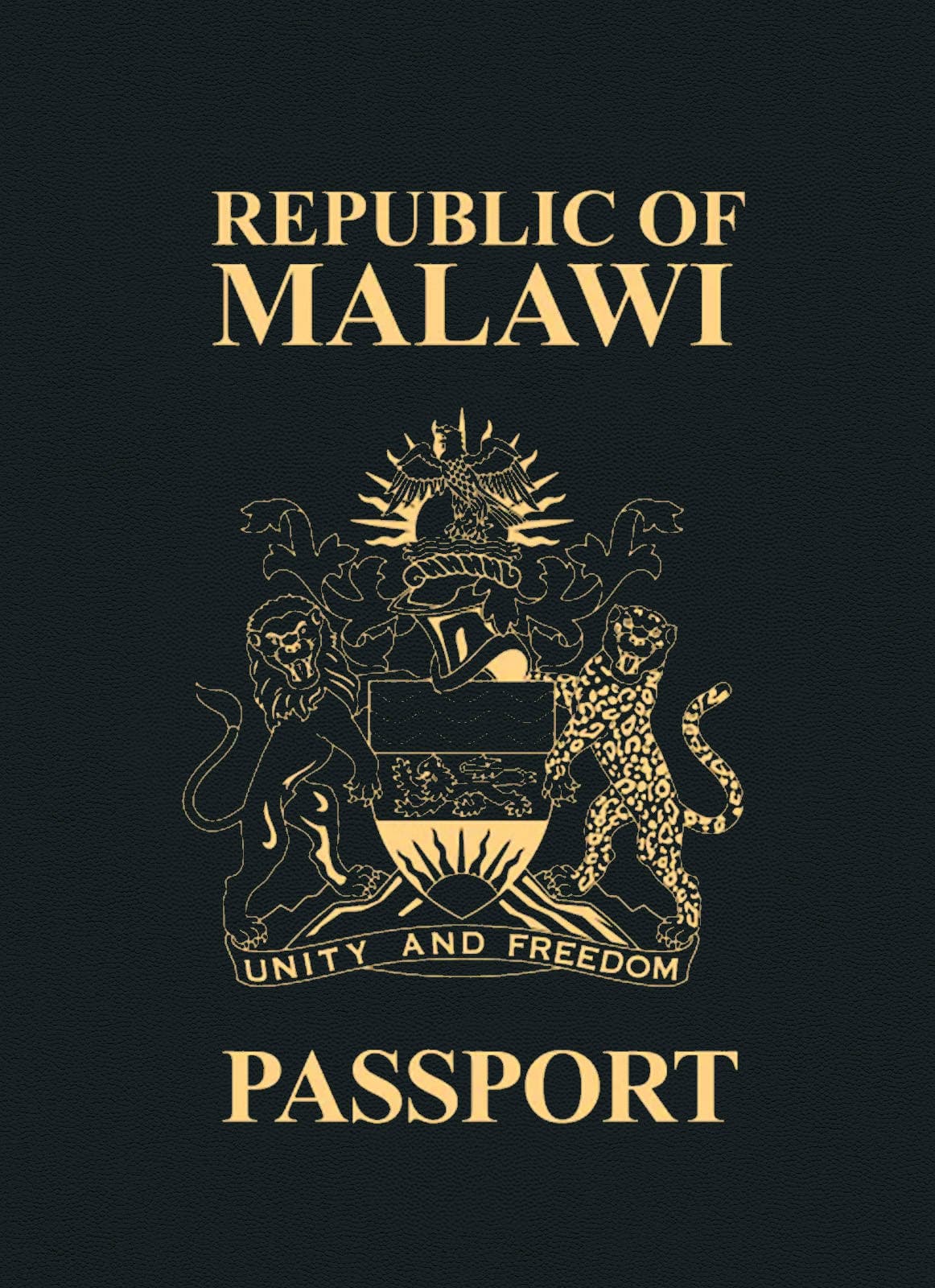
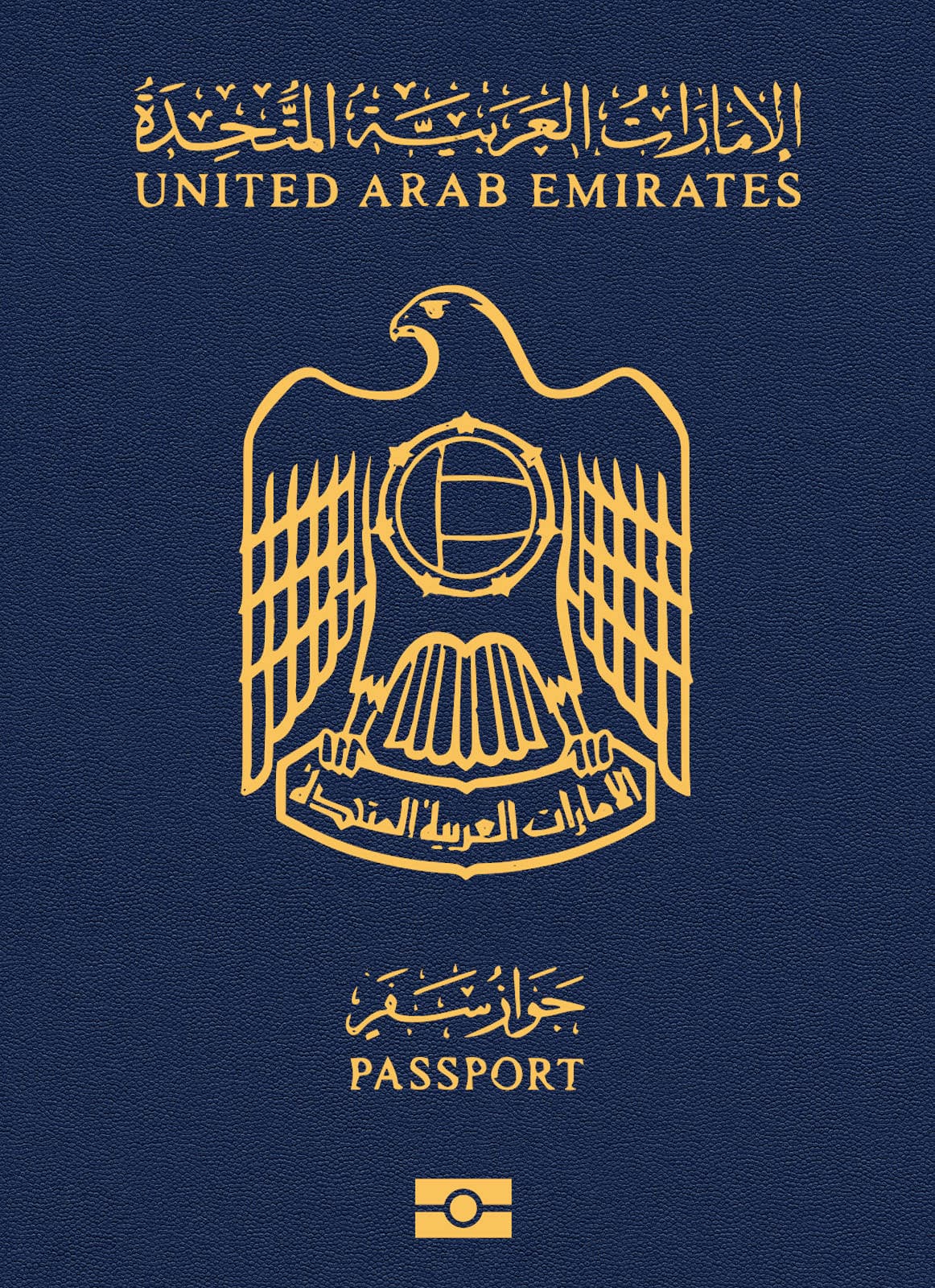
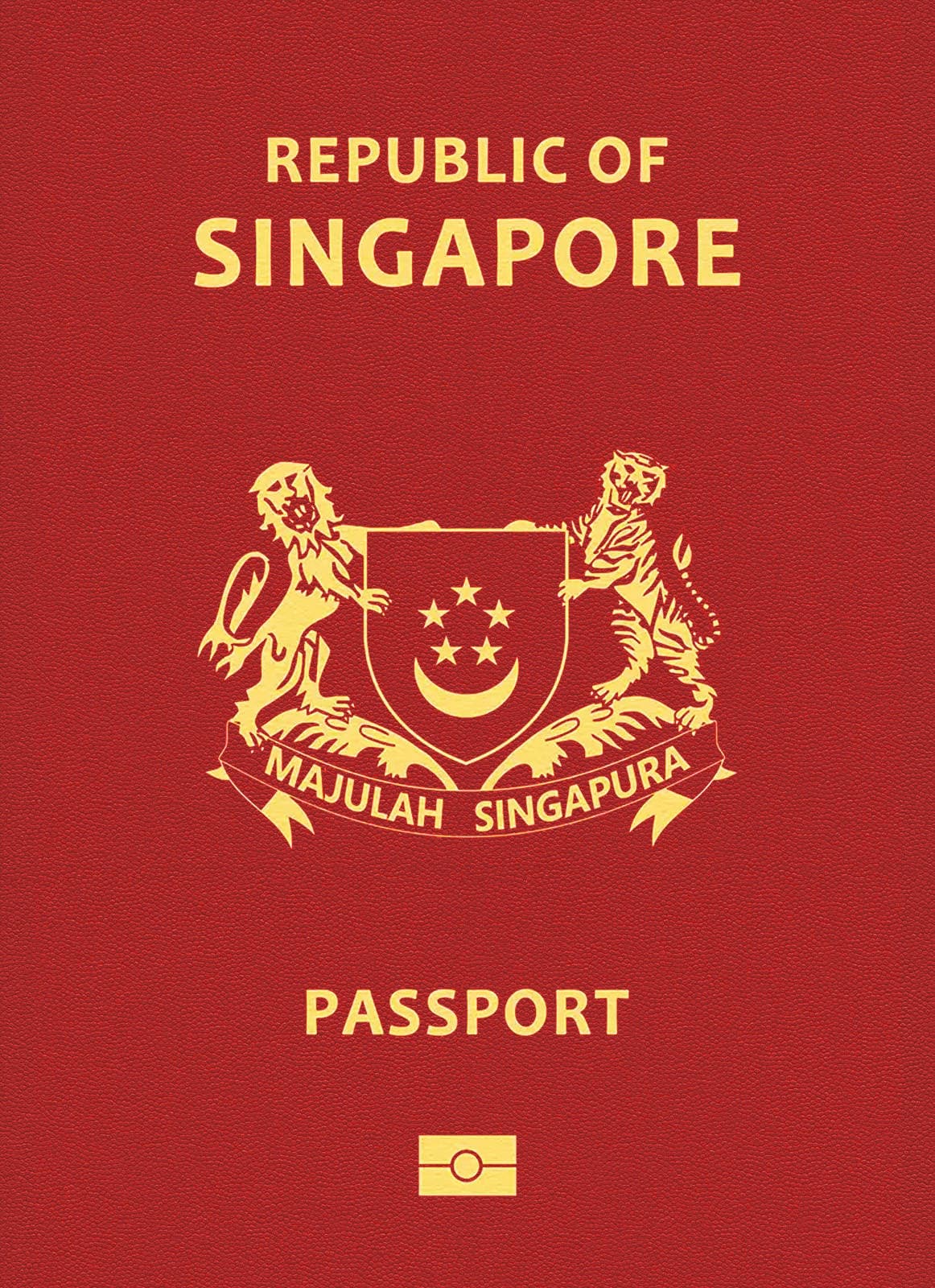
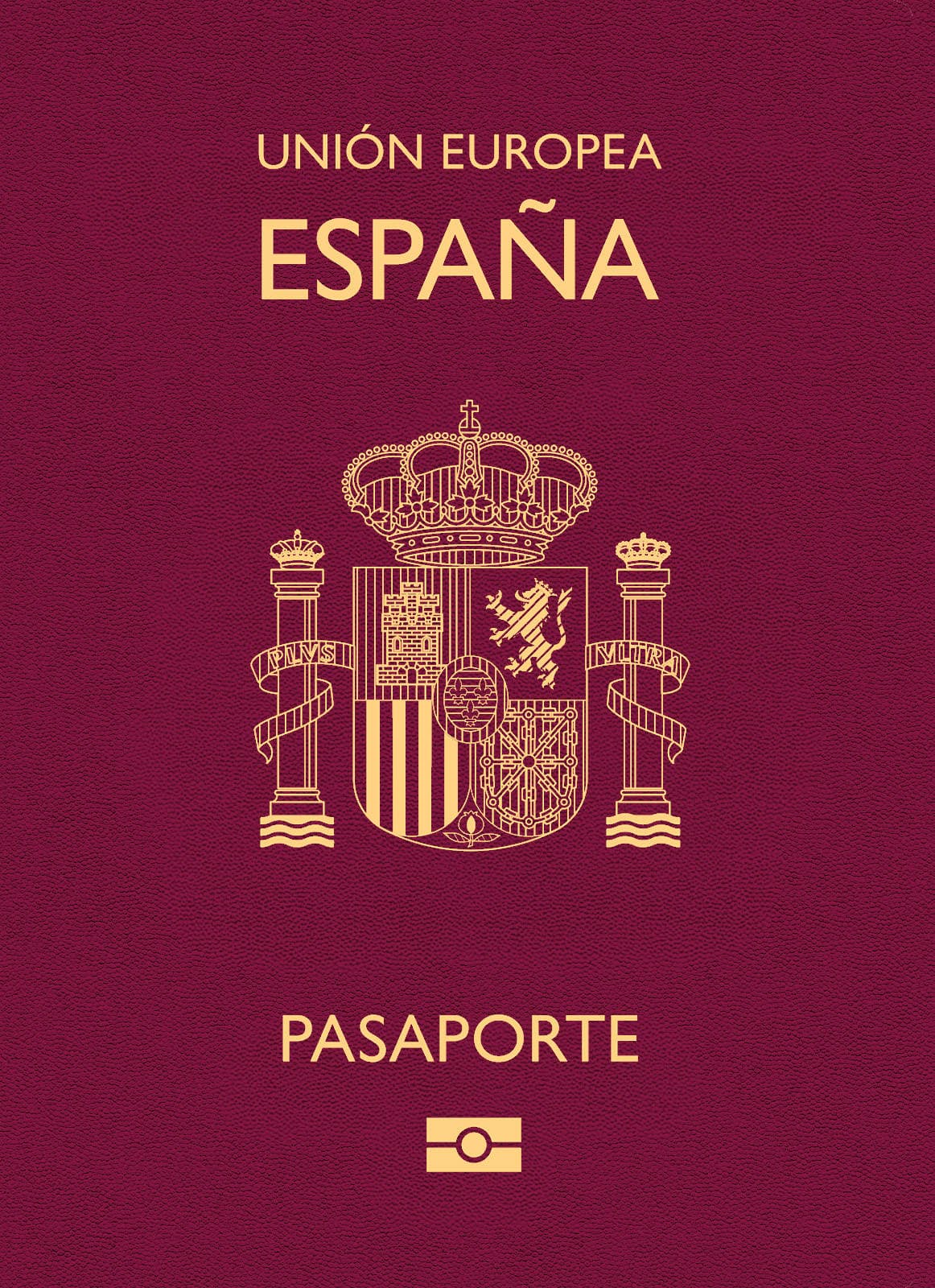
The Nigerian passport, issued by the Nigeria Immigration Service (NIS) under the Federal Ministry of Interior, is the official travel document for citizens of the Federal Republic of Nigeria. It serves as proof of Nigerian citizenship and identity, and is required for international travel and re-entry into Nigeria. Nigeria introduced biometric e-passports in 2007 and the enhanced e-passport in 2019, with chip-enabled passports meeting ICAO international standards.
The Nigerian passport sits in the lower tier of global passport rankings but offers unique strength within Africa through the Economic Community of West African States (ECOWAS) freedom of movement protocol. Nigeria's diplomatic strategy has focused primarily on strengthening ties within West Africa, the broader African Union, and selected emerging economies, while major Western destinations continue to require advance visa applications.
Types of Nigerian Passports
Standard Passport (green cover): issued to Nigerian citizens for personal and business travel. Standard 10 year validity for adults aged 18 and above, and 5 years for minors under 18.
Official Passport: issued to government officials and civil servants travelling on official duty.
Diplomatic Passport: issued to members of the Nigerian government, ambassadors, the National Assembly, and senior diplomats on official missions.
Pilgrim Passport: issued specifically for religious pilgrimage purposes, primarily for Hajj travel to Saudi Arabia and Christian pilgrimages.
Seaman's Passport: issued to Nigerian merchant marine personnel for international maritime travel.
Validity of a Nigerian Passport
A standard Nigerian e-passport offers a choice of 5 year or 10 year validity for adults aged 18 and above. For minors under 18, the validity is 5 years. The enhanced e-passport, introduced in 2019, includes 32 page, 64 page, and other options to suit different travel frequencies. Nigerian passports can be renewed up to 6 months before expiry through any Nigeria Immigration Service office across Nigeria or at any Nigerian embassy or consulate abroad. Most destinations require the passport to be valid for at least six months beyond the intended date of departure.
What Does It Look Like?
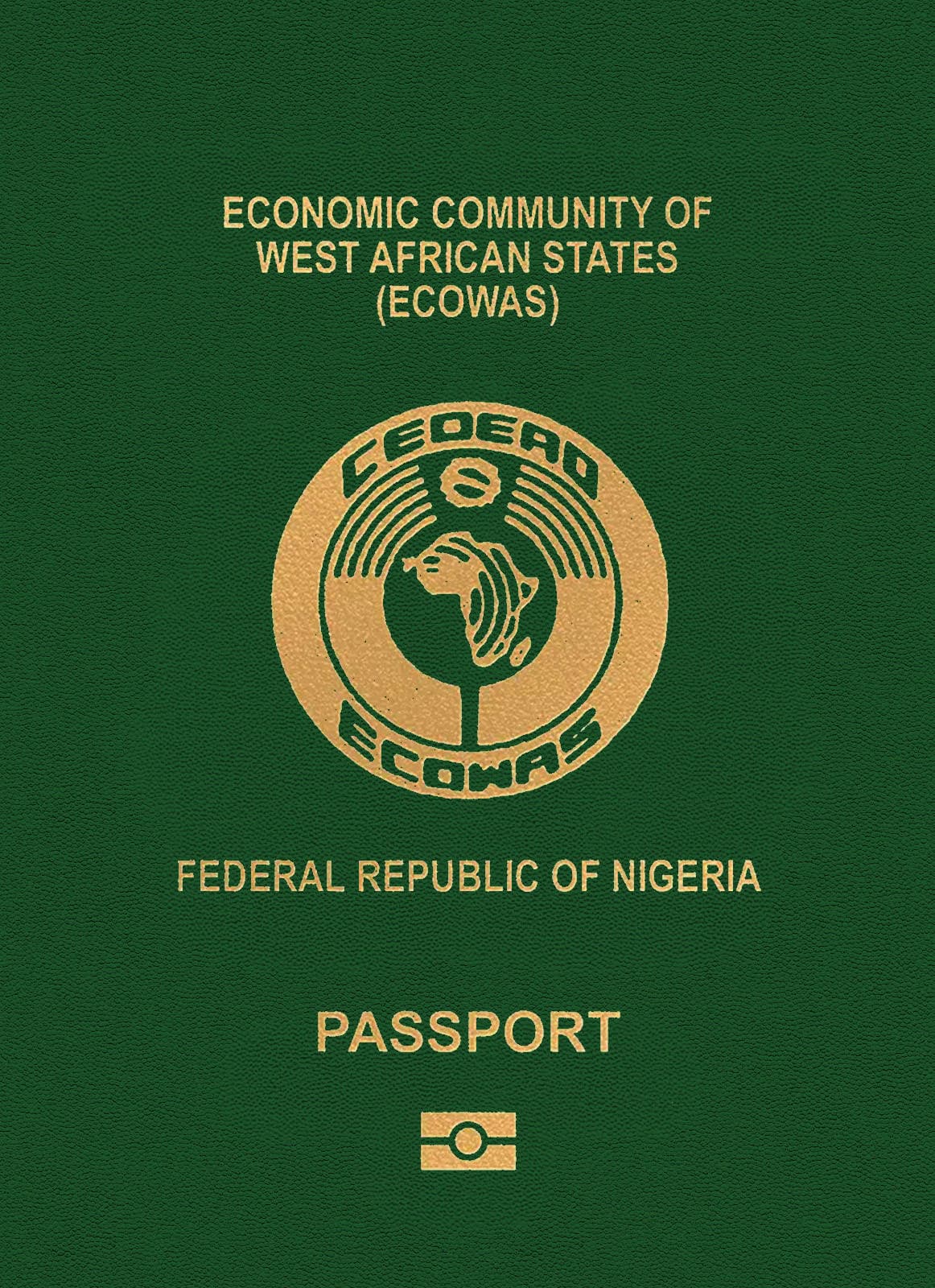
The standard Nigerian passport has a green cover featuring the national coat of arms of Nigeria embossed in gold, depicting two horses, a Black Eagle, and the Y shape representing the Niger and Benue rivers. The words "FEDERAL REPUBLIC OF NIGERIA" and "PASSPORT" are printed in gold. The biometric chip symbol is displayed near the bottom of the cover, indicating compliance with ICAO standards. The 2019 enhanced e-passport features a polycarbonate data page, advanced security elements, and improved durability designed to last the full validity period.
Inside the Passport
The identity page includes the following details:
Passport holder's photograph
Full legal name (Surname and Given names)
Passport number
Country Code (NGA)
Nationality (Nigerian)
Date and place of birth
Sex
Date of issue and expiration
Issuing authority (Nigeria Immigration Service)
Signature of the bearer
National Identification Number (NIN)
Machine Readable Zone (MRZ)
All Nigerian passports issued since 2007 contain an embedded biometric chip storing the holder's photograph, fingerprints, and digital signature. The 2019 enhanced e-passport added improved tamper resistance and additional security features to combat fraud.
Visa Free Access with a Nigerian Passport
As of 2026, Nigerian passport holders can access 52 destinations without applying for a visa in advance. This includes 27 fully visa free entries and 25 visa on arrival destinations. The most reliable cluster of visa free destinations for Nigerians comes from ECOWAS (Economic Community of West African States) member countries, granting Nigerians the right to enter and stay for up to 90 days in 14 West African countries including Ghana, Senegal, Côte d'Ivoire, Mali, Burkina Faso, Niger, Togo, Benin, Sierra Leone, Liberia, The Gambia, Cape Verde, Guinea, and Guinea-Bissau.
Beyond West Africa, Nigerians enjoy visa free or visa on arrival access to several Caribbean nations including Barbados, Dominica, Haiti, and Saint Vincent and the Grenadines, as well as Asian destinations like the Maldives, Nepal, and selected Pacific island nations. Visa on arrival is available in destinations like Kenya, Madagascar, Mozambique, Tanzania, Cape Verde, and Comoros. Major destinations that require advance visas for Nigerian citizens include the entire Schengen Area, the United Kingdom, the United States, Canada, Australia, China, and most GCC member states.
Passport Strength and Ranking
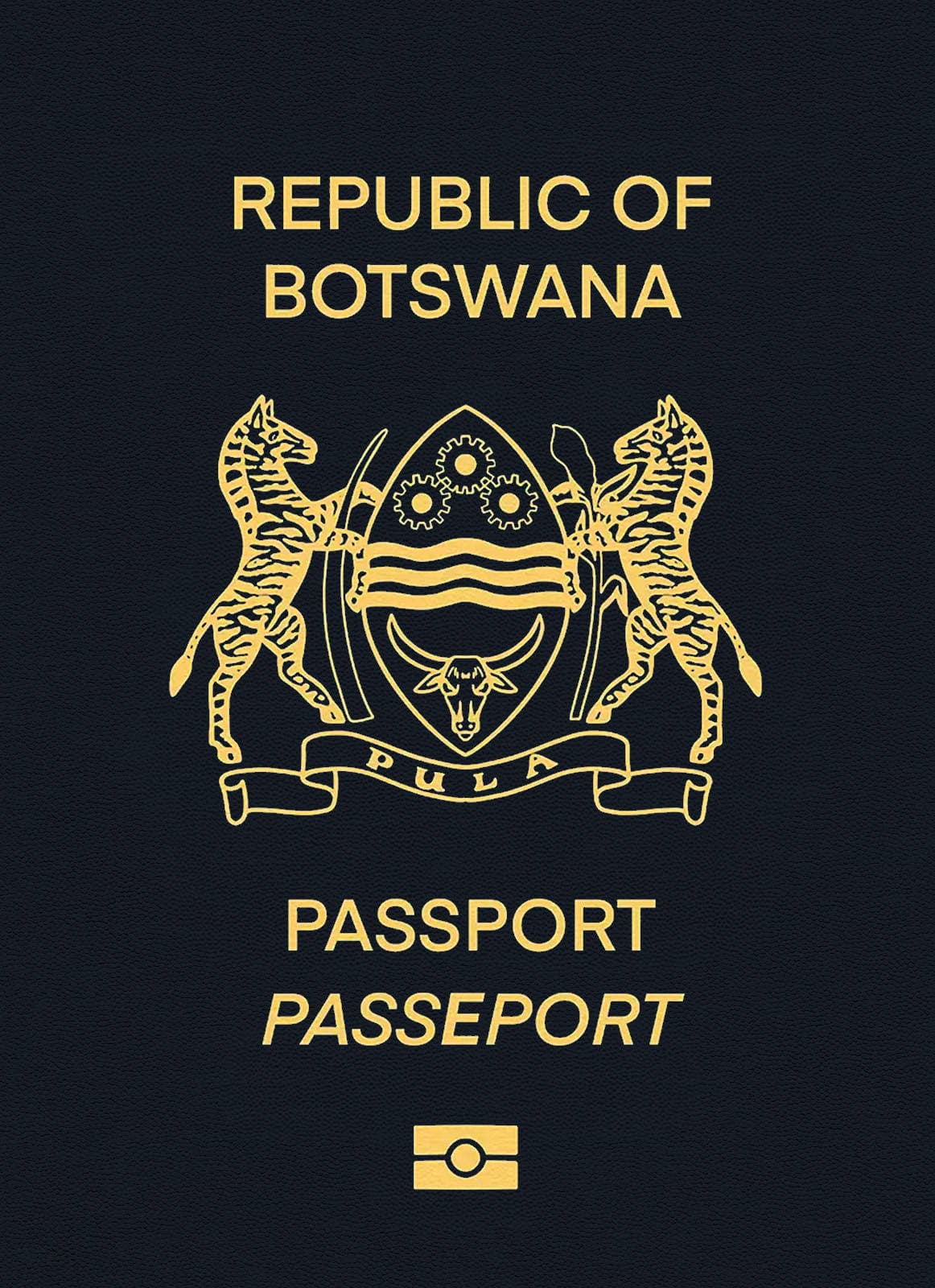
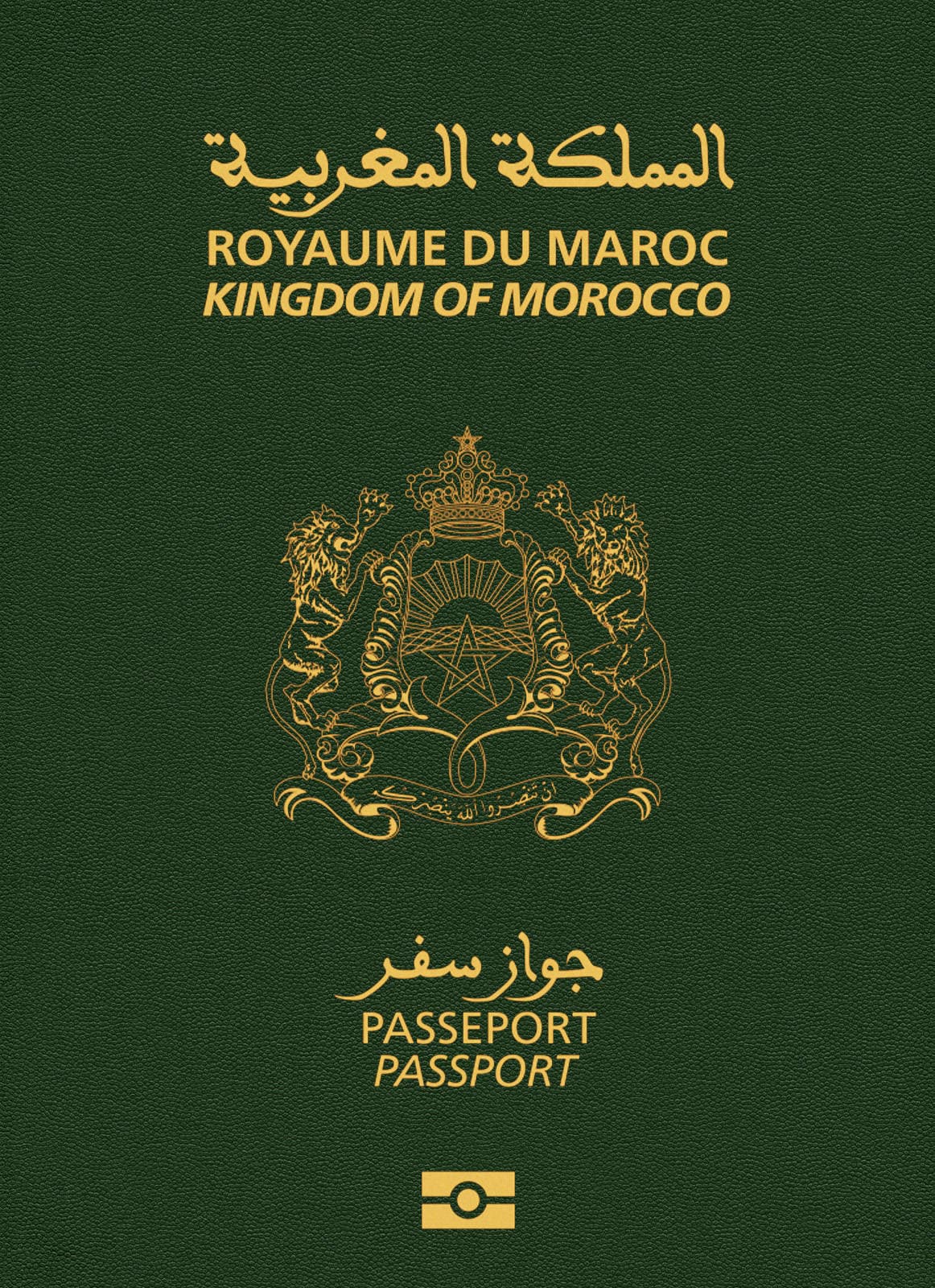
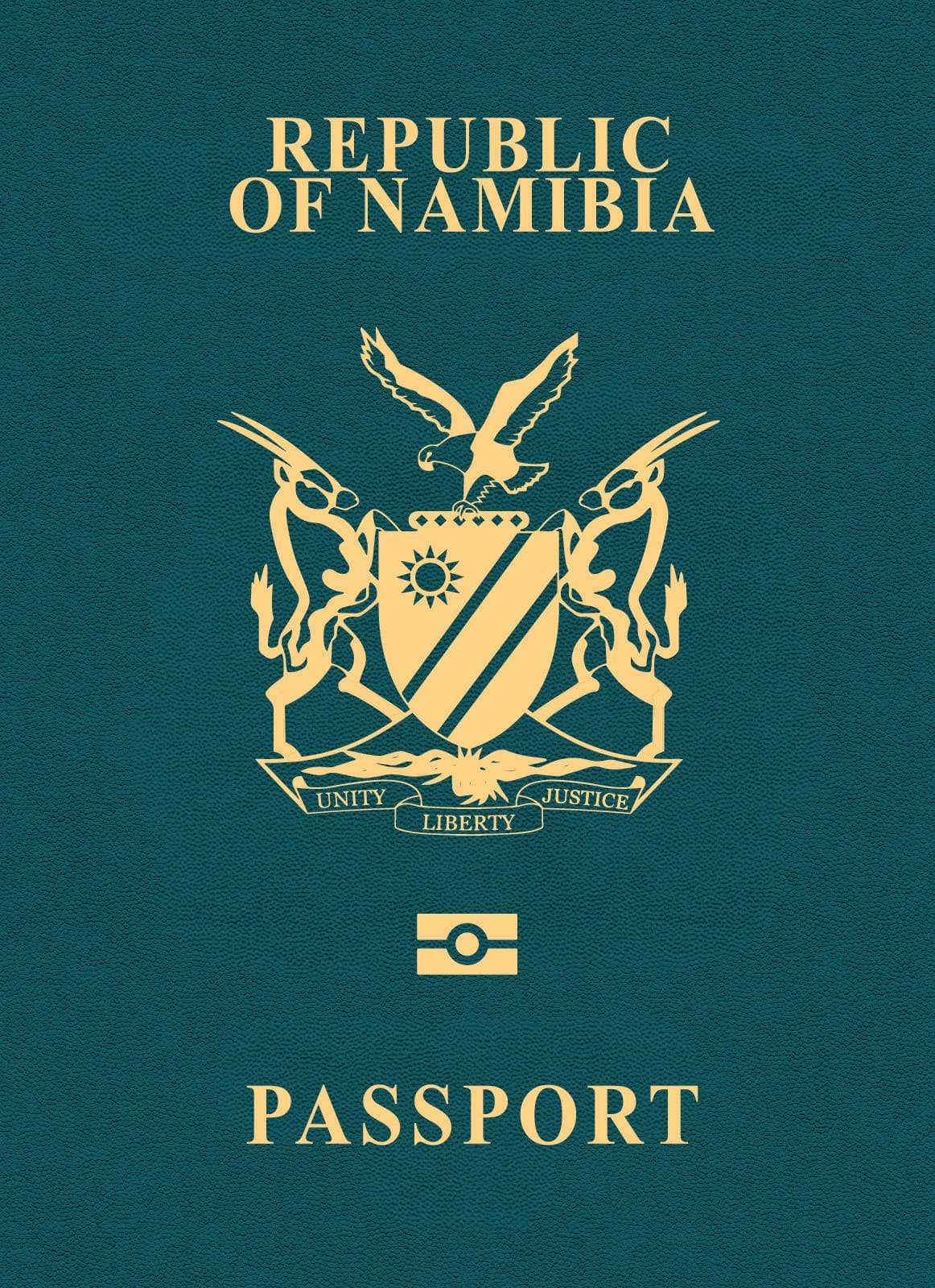
According to the Atlys Passport Index 2026, the Nigerian passport ranks 85th globally with a mobility score of 52. Nigeria sits in the lower tier of African passports, behind South Africa, Botswana, Namibia, and Kenya, but ahead of conflict affected nations. Within West Africa, Nigerian citizens enjoy full ECOWAS mobility despite the passport's overall global ranking. The Nigerian passport's position reflects ongoing diplomatic challenges including security concerns from destination countries, high overstay rates affecting visa policy decisions, and limited bilateral visa waiver agreements with major Western economies.
Recent developments offer mixed signals. On the positive side, the 2019 enhanced e-passport has improved security and document recognition globally, and Nigeria continues to negotiate bilateral agreements particularly with Caribbean and African nations. On the challenging side, several Western nations have introduced stricter visa requirements for Nigerian citizens in recent years, with some adding additional documentation and interview requirements.
The Nigerian passport reflects Nigeria's complex diplomatic positioning as Africa's largest economy and most populous country. With access to 52 visa free or visa on arrival destinations, biometric e-passport security since 2007, full ECOWAS freedom of movement covering 14 West African countries, and ongoing diplomatic outreach across the African Union and Global South, the Nigerian passport serves over 220 million Nigerian citizens at home and abroad. Long term improvements to passport strength depend on broader diplomatic outreach, security cooperation, and the increasing economic weight of Nigeria as the largest economy on the African continent.