
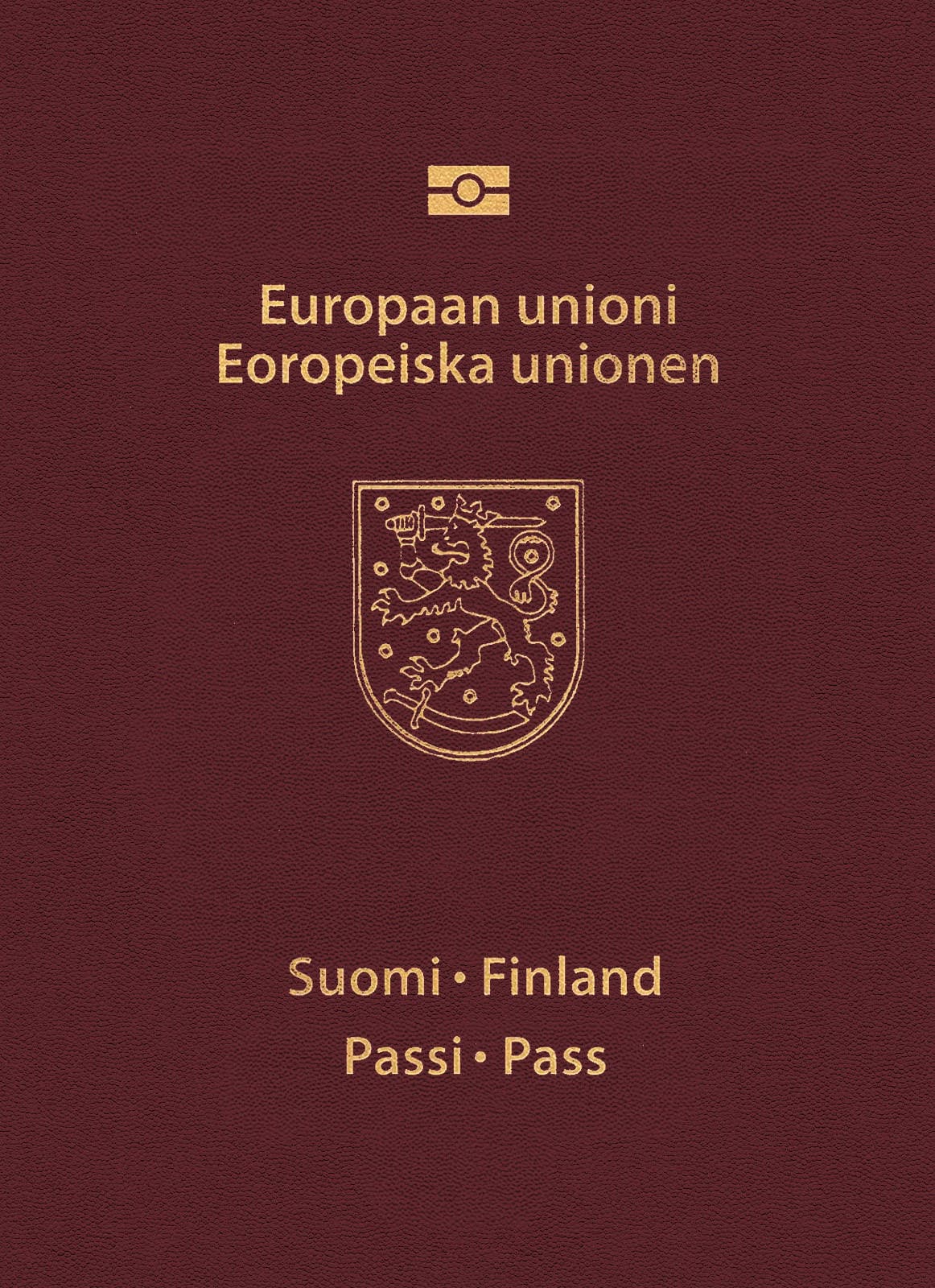
The Philippine passport, issued by the Department of Foreign Affairs (DFA) of the Philippines, is the official travel document for citizens of the Republic of the Philippines. It serves as proof of Filipino citizenship and identity, and is required for international travel and re-entry into the Philippines. The Philippines introduced biometric e-passports in 2009 and rolled out the enhanced e-passport in 2016, with chip enabled passports meeting ICAO international standards.
The Philippine passport ranks in the mid tier of global passport rankings and serves a unique population: over 10 million Overseas Filipino Workers (OFWs) and Filipinos abroad in addition to the 115 million citizens at home. This dual reality, with one of the world's largest overseas labor forces, makes the Philippine passport particularly important for work mobility across the Middle East, Asia, North America, and Europe. The Philippines has steadily expanded bilateral agreements with ASEAN, Latin American, and Caribbean nations.
Types of Philippine Passports
Ordinary Passport (maroon cover): issued to Filipino citizens for personal and business travel. Standard 10 year validity for adults aged 18 and above, and 5 years for minors under 18.
Diplomatic Passport (red cover): issued to members of the Philippine government, ambassadors, the President, Vice President, members of Congress, and senior diplomats on official duty.
Official Passport (orange cover): issued to government officials and civil servants travelling on official missions abroad.
Seafarer's Identity Document (SID): not a passport but a parallel travel document issued to Filipino seafarers under the ILO Convention, recognising the Philippines as one of the world's largest providers of merchant marine personnel.
Travel Document: issued to stateless persons and Filipinos in emergency situations who cannot obtain a regular passport.
Validity of a Philippine Passport
A standard Philippine e-passport is valid for 10 years for adults aged 18 and above. For minors under 18, the validity is 5 years. The 10 year validity was introduced in 2017, replacing the previous 5 year standard, making the Philippine passport one of the longer validity documents in Southeast Asia. Philippine passports can be renewed up to 12 months before expiry through any DFA Consular Office across the Philippines or at any Philippine embassy or consulate abroad. The latter is particularly important given the large overseas Filipino community. Most destinations require the passport to be valid for at least six months beyond the intended date of departure.
What Does It Look Like?
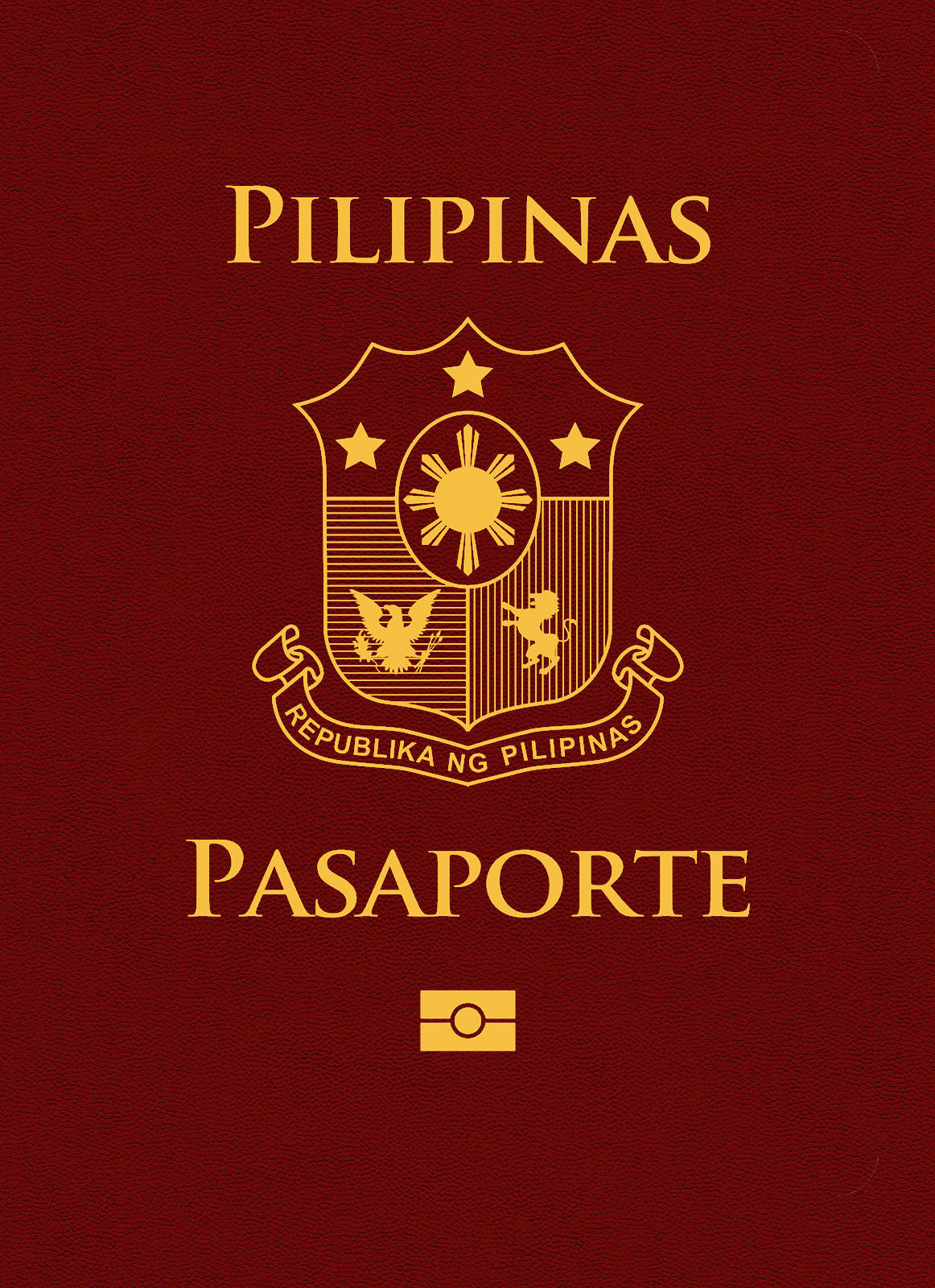
The standard Philippine passport has a maroon red cover featuring the coat of arms of the Philippines embossed in gold, depicting the sun and three stars representing Luzon, Visayas, and Mindanao, plus the American eagle and Spanish lion reflecting Philippine history. The words "REPUBLIKA NG PILIPINAS" (Republic of the Philippines) and "PASAPORTE / PASSPORT" are printed in gold in both Filipino and English. The biometric chip symbol is displayed near the bottom of the cover, indicating compliance with ICAO standards. The 2016 enhanced e-passport features a polycarbonate data page, advanced security features, and artistic imagery reflecting Philippine landmarks, biodiversity, and cultural heritage including the Banaue Rice Terraces, Mount Mayon, the tarsier, the Philippine eagle, and scenes from across the 7,641 islands.
In terms of colour:
Maroon – for Regular passports, issued to all Filipino citizens for personal or non-official travel.
Red – for Official passports, used by government employees travelling on official duty. These passports are valid for 6 months and do not offer diplomatic immunity.
Dark Blue – for Diplomatic passports, granted to diplomats, Cabinet members, and high-level government delegates. This passport confers diplomatic immunity on the holder.
Each version maintains a sleek, modern, uniform design representing the Philippines' global presence and diplomatic values.
Inside the Passport
The identity page includes the following details:
Passport holder's photograph
Full legal name (Surname and Given names)
Passport number
Country Code (PHL)
Nationality (Filipino)
Date and place of birth
Sex
Date of issue and expiration
Issuing authority (Department of Foreign Affairs)
Signature of the bearer
Machine Readable Zone (MRZ)
All Philippine passports issued since 2016 contain an embedded biometric chip storing the holder's photograph, fingerprints, and digital signature. The enhanced e-passport added improved tamper resistance and additional security features.
Visa Free Access with a Philippine Passport
As of 2026, Philippine passport holders can access 78 destinations without applying for a visa in advance. This includes 41 fully visa free entries and 37 visa on arrival destinations. Filipino citizens enjoy visa free access throughout most of ASEAN (Brunei, Cambodia, Indonesia, Laos, Malaysia, Myanmar, Singapore, Thailand, Vietnam), plus Brazil, Colombia, Ecuador, Peru, Suriname, Israel (a unique perk among Asian passports), Hong Kong, Macau, Morocco, and several Caribbean and Pacific island nations. Visa on arrival is available in destinations like the Maldives, Nepal, Cambodia, Madagascar, Sri Lanka, Ethiopia, and Timor-Leste. Major destinations that require advance visas for Filipino citizens include the entire Schengen Area, the United Kingdom, the United States, Canada, Australia, Japan, South Korea, and most of the Middle East.
A practical advantage for Filipino travellers, particularly Overseas Filipino Workers: holding multi entry visas or permanent residency from Schengen Area countries, the United Kingdom, the United States, Canada, Australia, New Zealand, or Japan unlocks visa on arrival, eVisa, or visa free access to a significant number of additional destinations. For example, Filipinos with valid US, UK, or Schengen visas can obtain visa on arrival in Saudi Arabia, easier entry to Mexico and Panama, and 30 day eVisa access to Cuba. This makes the Philippine passport particularly responsive to building a strong international visa history.
The Philippines also benefits from APEC Business Travel Card (ABTC) access for business travellers. Filipino ABTC holders can travel to APEC member economies including Brunei, Chile, China, Hong Kong, Indonesia, Japan, Malaysia, Mexico, New Zealand, Papua New Guinea, Peru, Russia, Singapore, South Korea, Taiwan, Thailand, and Vietnam without applying for individual visas, making business and trade travel significantly easier across the Asia Pacific.
Passport Strength and Ranking
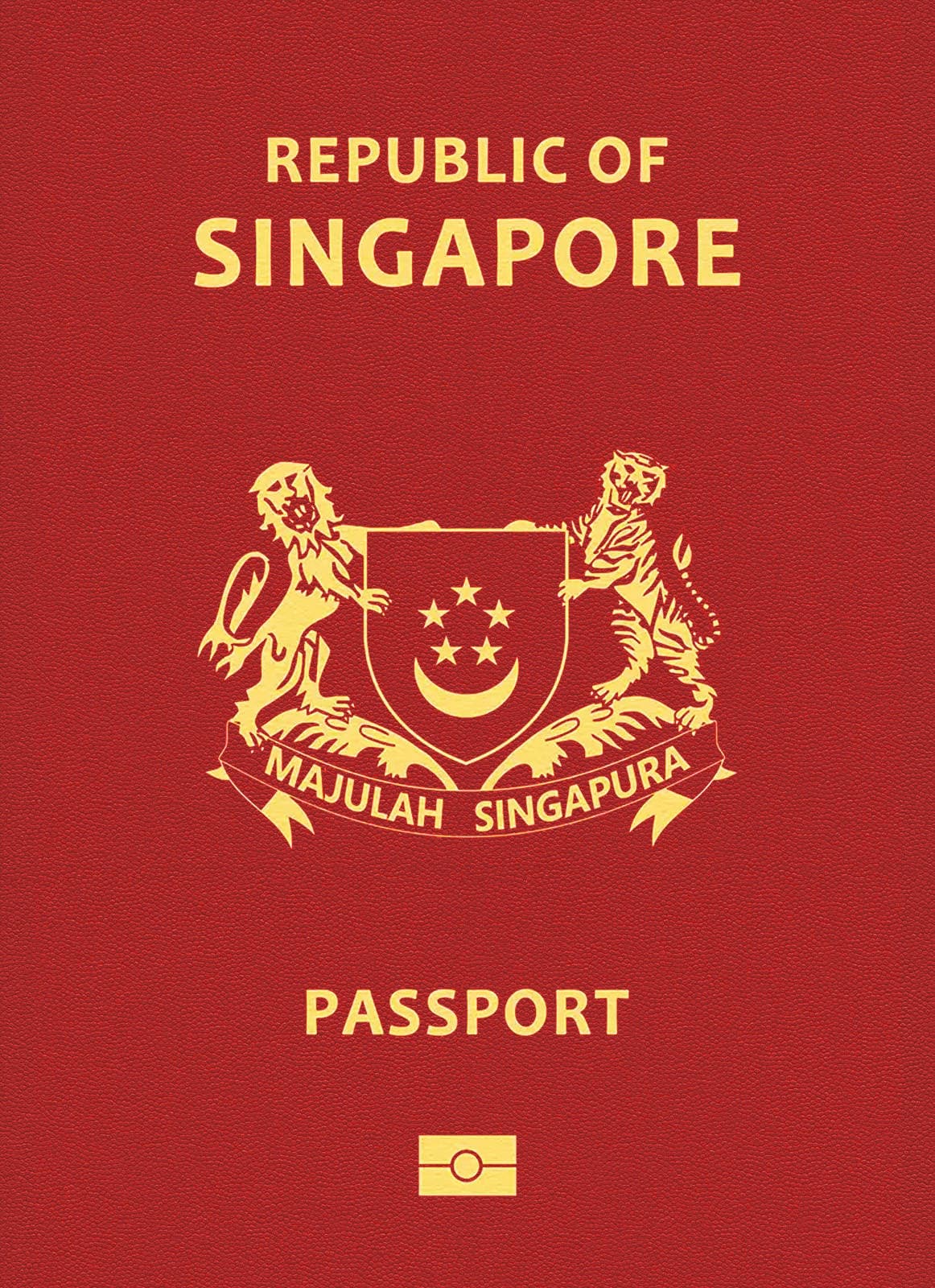
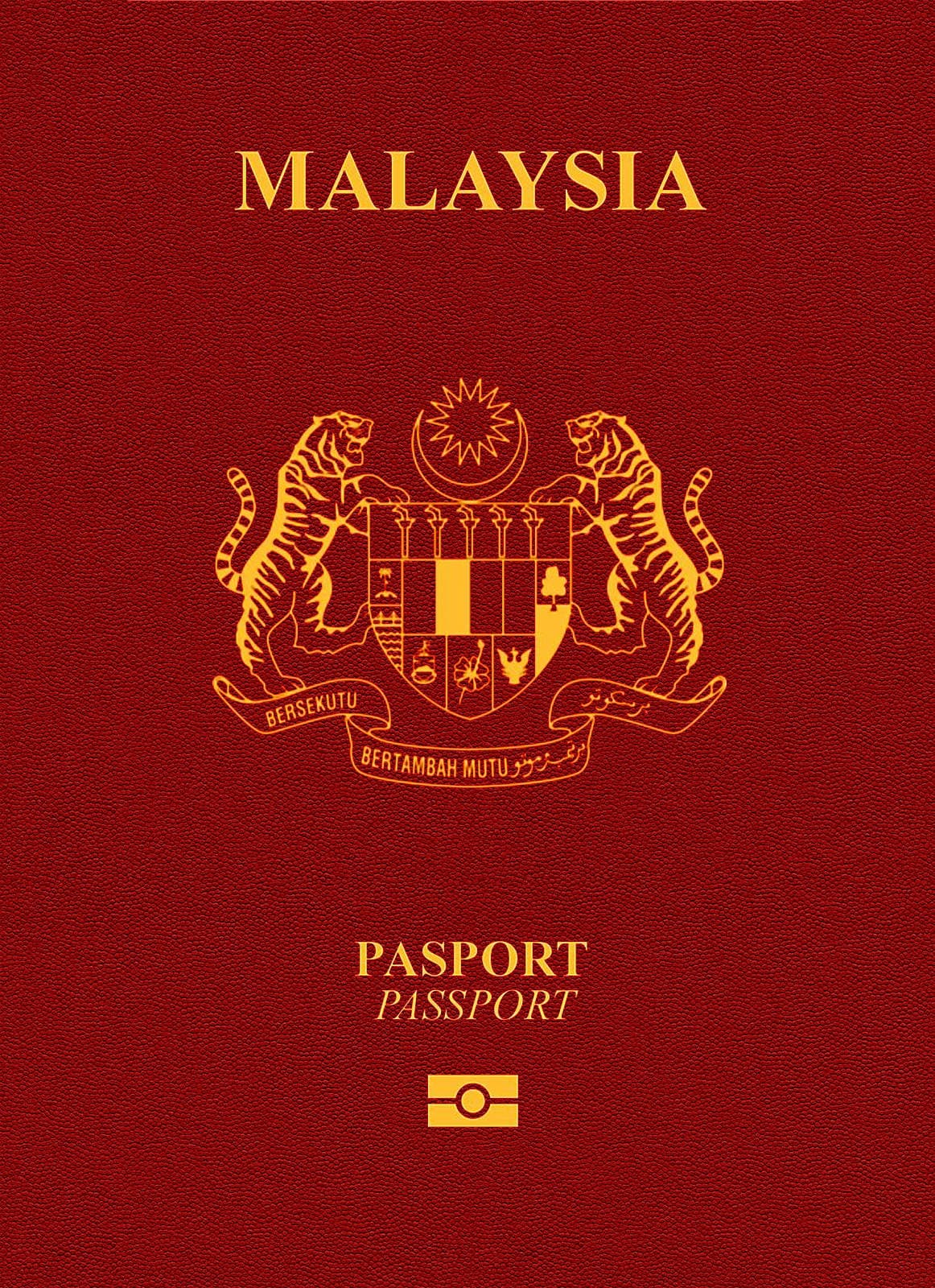
According to the Atlys Passport Index 2026, the Philippine passport ranks 63rd globally with a mobility score of 78. The Philippines sits in the mid tier of Southeast Asian passports, trailing Singapore (tied 2nd, score 175), Malaysia (3rd, score 174), and Indonesia (56th, score 89), but ahead of Vietnam (70th), Myanmar, Laos, and Cambodia in regional terms. The Philippine passport's position reflects ongoing diplomatic outreach, growing economic ties, and the practical mobility advantages that come from the country's extensive bilateral relationships with major OFW destination countries.
Recent developments have strengthened the Philippine passport. The 10 year validity introduction (2017) brought the Philippines in line with global standards. The enhanced e-passport rollout has improved document recognition worldwide. The Philippines continues to negotiate bilateral agreements particularly with Caribbean, Latin American, and European nations. The most significant ongoing diplomatic pushes focus on expanded Schengen and UK access for Filipino workers and tourists.
The Philippine passport reflects the country's position as one of the world's largest sources of overseas labor, a founding member of ASEAN, and a long standing US treaty ally with deep historical ties across Asia, Europe, and the Americas. With access to 78 visa free or visa on arrival destinations, biometric e-passport security, full ASEAN regional mobility, APEC Business Travel Card benefits for business travellers, conditional access through Western visa holdings, and a unique combination of Hispanic and Anglo American cultural heritage that opens doors across Latin America, the Philippine passport continues to serve over 115 million Filipinos at home and abroad. Long term improvements depend on broader diplomatic outreach, the Philippines' growing economic weight, and reciprocal visa waiver agreements with major Western and East Asian economies.