Spain Visa Information
Visa Type:
Sticker
Length of Stay:
upto 90 Days
Type:
Short-term
Entry:
Multiple
Why Schengen via Atlys?
Get to Spain faster — book through another Schengen country
Book a Schengen visa where appointments are open
100% Legal & Safe
Appointments Available in These Countries
Countries
Appointment Dates Before Spain
What you get
Atlys will give you a completed application packet with all necessary documents
Your Final Application Preview
Application Packet
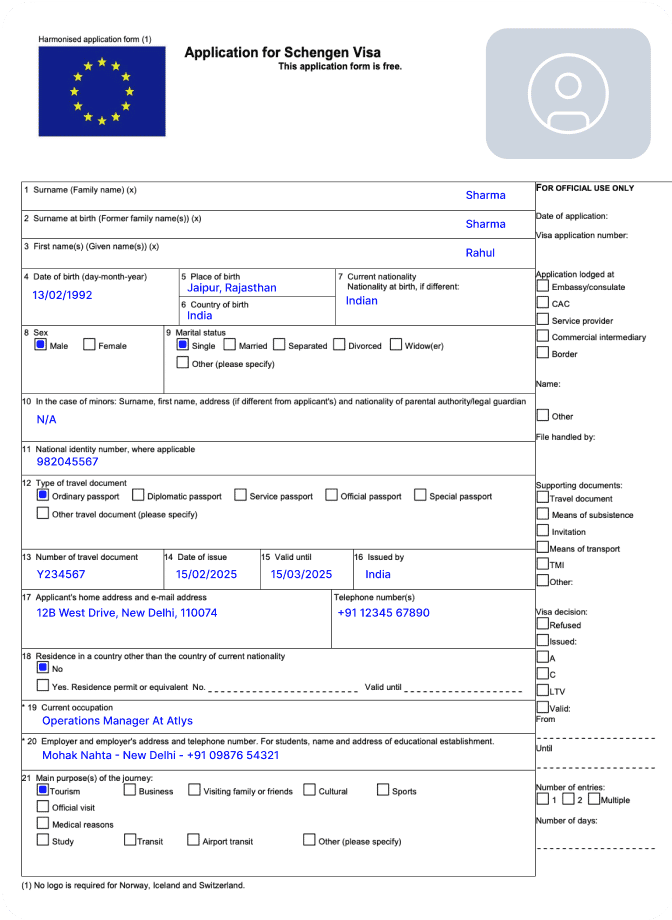
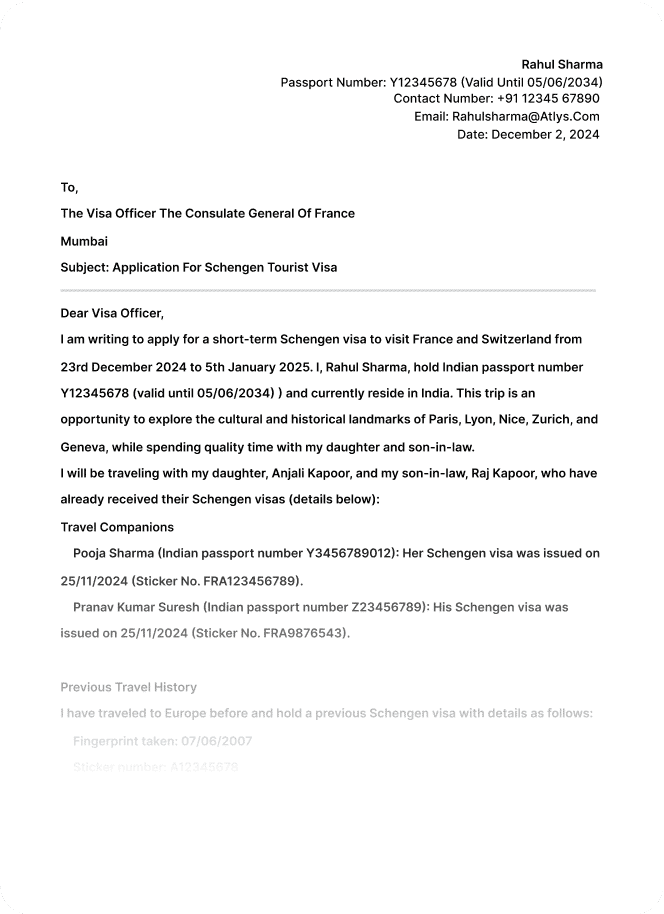
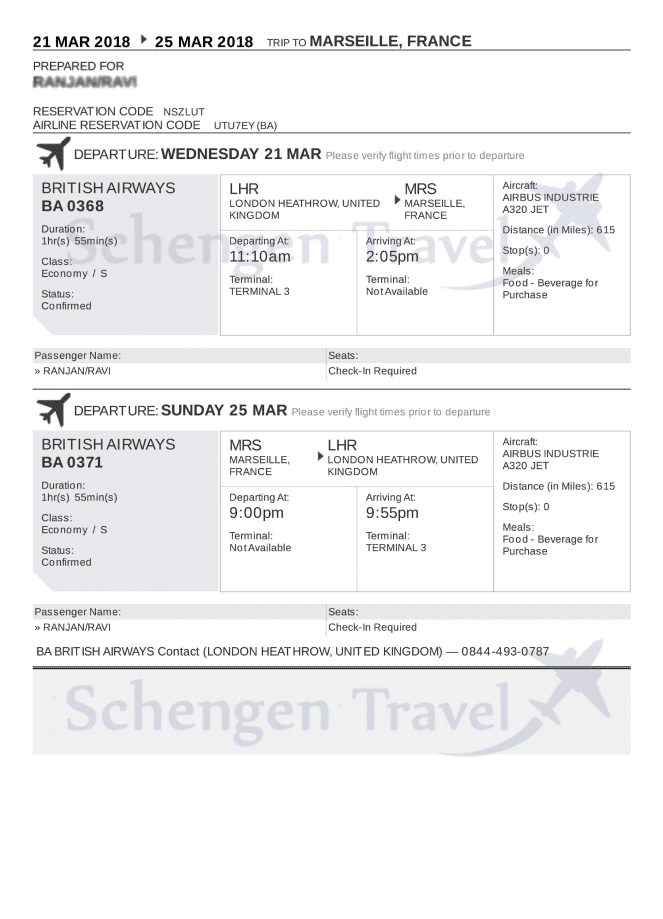
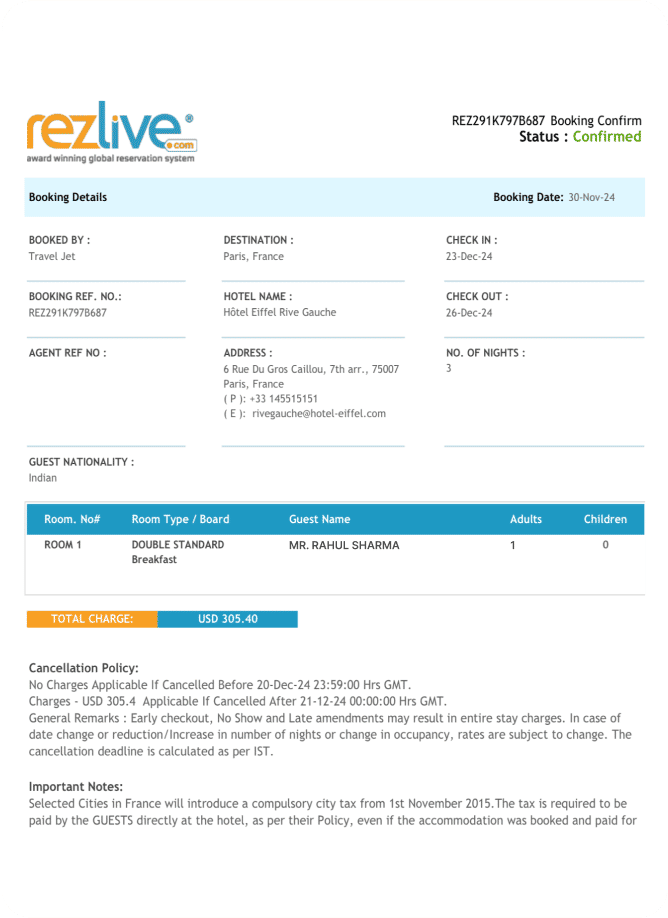
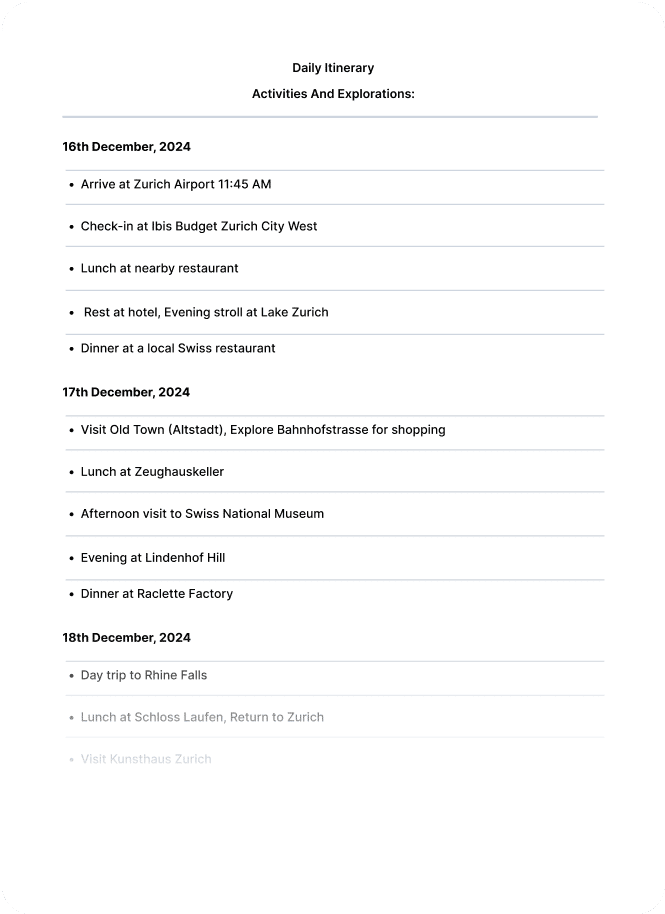
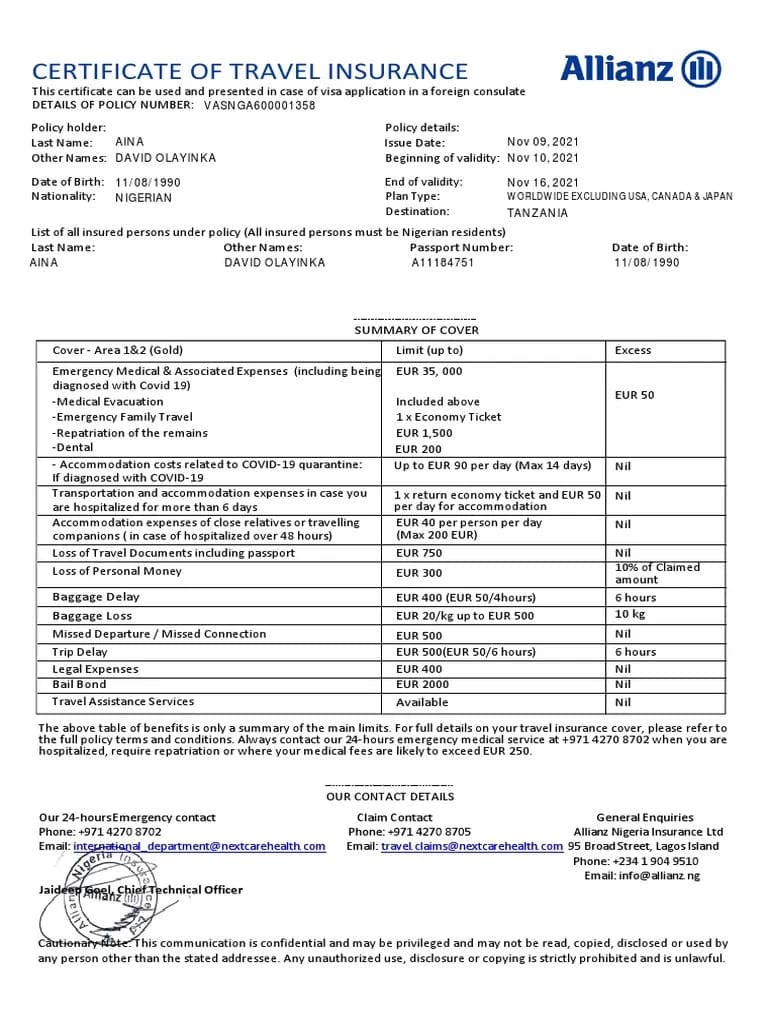
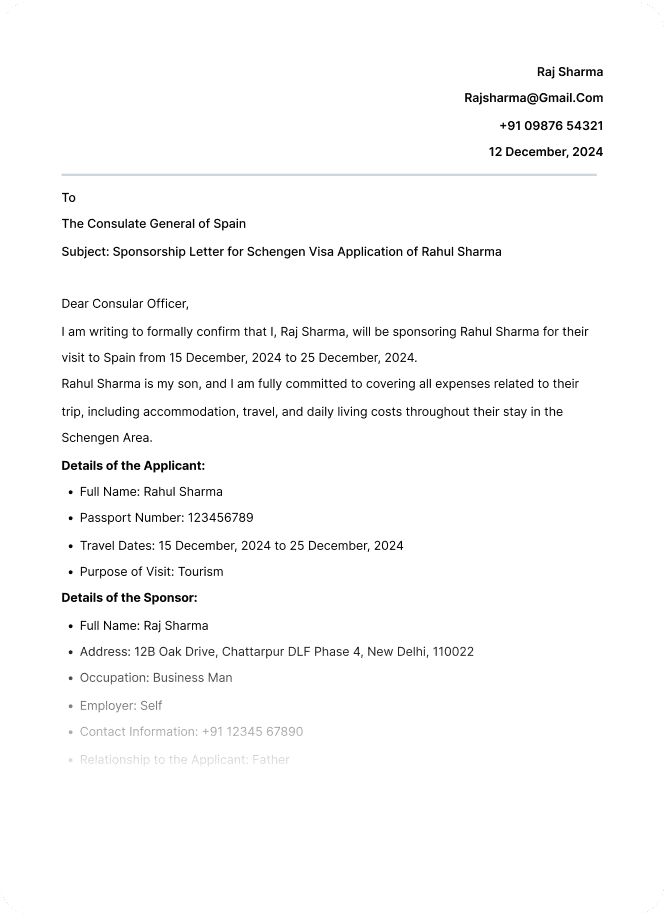
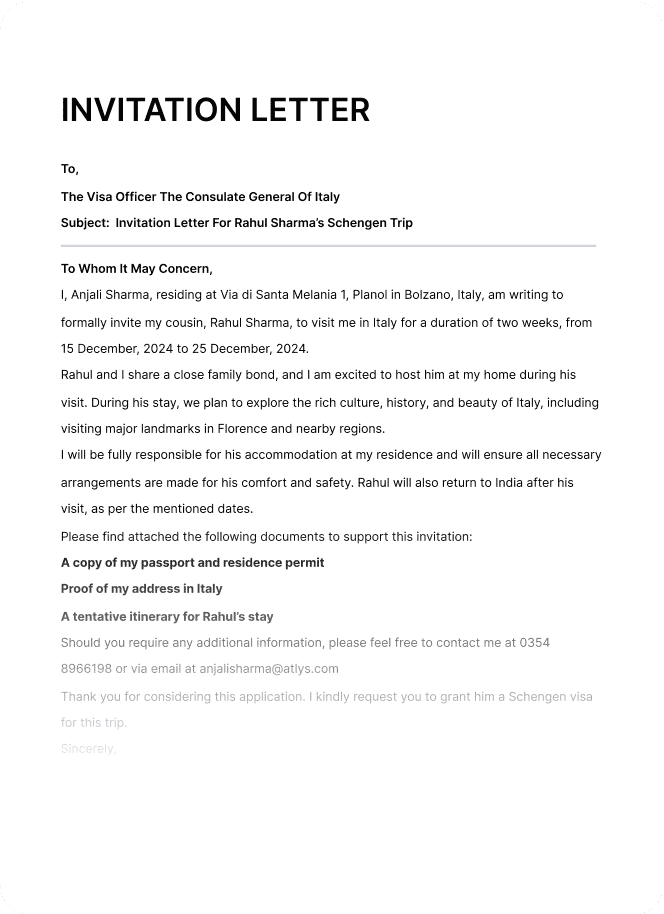

For illustrative purposes only; actual packet will reflect your details
Statistics
This data was taken from the official Schengen Visa data of 2025.
Chances of approval for Spain
This data was taken from the official Schengen Visa data of 2025.
Years
2021-2025
Users
18k+
Overall Stats
Years
2021-2025
Users
132k+
Spain Visa Rejection Reasons
Factors that can get your visa rejected
Expired Passport
Applying with a passport that has expired or expires within 6 months
Insufficient Funds
Failing to demonstrate enough financial resources to support your stay.
Criminal Record
Having a criminal history that disqualifies you from obtaining a visa.
Previous Visa Violations
Having overstayed or violated the terms of a previous visa.
Invalid or Insufficient Travel Insurance
Failing to present valid or adequate travel insurance
Frequently Asked Questions

- General Information
- Eligibility & Requirements
- Application Process
- Refunds, Rejections & Reapplications
- Status Tracking
- Entry & Exit Regulations
- Visa Extension & Overstays
General Information
Do Indians need a visa for Spain?
Yes, Indian passport holders need a valid visa, specifically a Schengen visa, to travel to Spain for short stays like tourism, business, family visits, or other approved activities for up to 90 days within 180 days. Spain does not offer visa-on-arrival or visa-free entry for Indian citizens.
Note: Since Spain is part of the Schengen Area, a Spain visa allows you to travel freely through the 29 Schengen Countries.
How does the Schengen visa look like?
Here is a sample of the Schengen visa:
Can I travel to other Schengen Countries with a Spanish tourist visa?
Yes, a Spanish visa allows you to travel freely to other Schengen countries without needing additional visas. However, when applying, you should clearly state your intention to visit multiple Schengen Countries and provide a detailed itinerary covering your entire trip.
Tip: Make sure your first point of entry is Spain or that Spain is your main destination, as this will align with the requirements of the Spanish embassy where you are applying for the visa.
The Schengen Area comprises the following 29 European countries: Austria, Belgium, Bulgaria, Croatia, Czech Republic, Denmark, Estonia, Finland, France, Germany, Greece, Hungary, Iceland, Italy, Latvia, Liechtenstein, Lithuania, Luxembourg, Malta, Netherlands, Norway, Poland, Portugal, Romania, Slovakia, Slovenia, Spain, Sweden, and Switzerland.
Can I travel to Spain on a Schengen visa issued by Germany?
Yes, you can enter and travel to Spain with a Schengen visa issued by Germany. However, ideally, you must keep these two rules in mind:
Entry point: You are advised to enter through the country that issued your visa. In this case, Germany should be your primary entry point into the Schengen Area. After that, you can travel to Spain or other Schengen countries.
Main destination for stay: You should spend the majority of your time in Germany, as you are required to apply for a visa from the country where you will spend the most time.
Not meeting the above cases? Worry not! Read our guide on- Getting A Schengen Visa From One Country And Travelling To Another? (Essential Tips & Legal Insights)- to learn more about navigating these situations smoothly while staying compliant with Schengen regulations.
What is the Spain visa fees for Indians?
The Spain visa fees for Indians are, for Adults: €90, for Children (6-12 years): €45, and for Children under 6 years: Free of cost.
Tip: Keep the exact visa fee ready at your appointment, as payment methods can vary depending on the visa application centre.
What is the Spain tourist visa validity for Indians?
The Spain tourist visa validity for Indians is up to 180 days, allowing a maximum stay of 90 days within this period.
The visa’s validity allows you to enter Spain and other Schengen countries multiple times, provided you do not exceed the 90-day stay limit within a 180-day period.
Example: If you enter Spain on January 1, you can stay until March 30, after which you must leave and wait another 90 days before re-entering.
What is the 90/180 rule for Schengen visas?
The 90/180 rule is a guideline dictating how long you can stay within the Schengen Area. It states that you can stay for up to 90 days within any 180-day period in the Schengen Area. These 90 days can be consecutive or spread across multiple trips. However, the cumulative stay within the Schengen Area must not exceed 90 days in any rolling 180-day window.
Understanding the basics:
Rolling period: The 180 days are counted on a rolling basis, meaning each day you are in the Schengen Area, the 180-day period shifts forward by one day. For instance, if you stay from January 1 to March 31, you can return on May 1 but must leave by July 30 (the next 90-day window).
Multiple entries: The rule applies regardless of whether you are on a single-entry or multiple-entry visa. If you leave the Schengen Area and re-enter, the days spent inside are still counted towards your 90-day limit.
Example:
If you enter the Schengen Area on January 1 and stay for 30 days, you have 60 more days to use within the next 150 days.
If you leave and return after 60 days, say on April 1, you can stay for another 60 days, completing your 90 days within that rolling 180-day period.
Tip: Use the online Schengen visa calculators that can help you keep track of your days to ensure compliance with the 90/180 rule.
How far in advance can I apply for a Spain Schengen visa?
Spain visa applications can be submitted up to 6 months in advance of your planned travel date and at least 15 days before your trip. Since visa processing times can vary, it is best to apply 4-6 weeks in advance to avoid any last-minute delays.
What is the difference between a single-entry and a multiple-entry Spain visa?
A single-entry Spain visa allows you to enter Spain (or the Schengen Area) only once. After leaving, you cannot re-enter, even if the visa is still valid.
Multiple-entry visa, on the other hand, allows you to enter and exit the Schengen Area multiple times within the visa's validity period (as long as you do not exceed the 90-day stay limit within 180 days).
Can I apply for a multiple-entry Schengen visa for Spain?
Yes, you can apply for a multiple-entry Schengen visa for Spain. Multiple-entry visas are typically issued for 1, 3, or 5 years, depending on your travel history and the discretion of the consular officer.
Note: Despite having a multiple-entry visa, you can only stay for a maximum of 90 days within a 180-day period.
Can I apply for a Spain student visa on Atlys?
Yes, you can apply for a Spain student visa on Atlys. It takes just a few minutes to check your eligibility and start your application.
Eligibility & Requirements
What are Spain visa requirements for Indians?
Here are the Spain tourist visa requirements for Indians:
Valid passport
Visa application form
Photograph
Proof of residence
Proof of travel purpose
Proof of financial means
Proof of travel
Proof of accommodation
Travel insurance
Proof of employment
Valid passport:
A passport valid for at least 3 months beyond your planned departure from the Schengen Area. It must have been issued within the last 10 years and contain at least two blank pages.
With Atlys, you cannot only upload your passport pictures but also take a picture of your passport using your smartphone or desktop camera.
Visa application form:
Completed, error-free and signed- Spain visa application form.
Photograph:
One recent passport-sized photograph that meets Spain's specific visa photo requirements (e.g., white background, no older than 6 months).
With Atlys, you cannot only upload your passport-size photo but also click the picture of yours using your smartphone or desktop camera. Atlys automatically adjusts the photo to meet the country's requirements without hassle.
Proof of residence:
The Permanent Account Number (PAN) must be presented.
Proof of travel purpose:
A clear and concise cover letter outlining your personal information, purpose of visit, financial means and intent to return.
Atlys will help you with a customizable cover letter during the application process, free of cost.
Proof of financial means:
The Spanish government needs proof of your capability to fund your stay. To demonstrate the same, provide bank account statements for the last six months and ITR acknowledgement for the last two years.
Proof of travel:
Provide proof of roundtrip tickets and proof of intra-Schengen flight reservation, train itinerary or car rental if you are travelling to several Schengen States.
Atlys provides flight reservations for free, allowing you to demonstrate your travel plans without any financial commitment.
Proof of accommodation:
Submit the proof of accommodation for your entire stay in Spain. If invited, submit an invitation letter signed by the inviting person and duly notarised in Spain.
Atlys provides hotel reservations for free, allowing you to demonstrate your travel plans without any financial commitment.
Travel insurance:
You must have travel insurance that is valid for all Schengen Countries. It should cover at least €30,000 or equivalent for all risks for the entire duration of the trip.
Proof of employment:
This can be an employment contract, leave approval letter from the employer or certificate of employment.
Note: Depending on the specific circumstances mentioned in the visa application, additional documents will be required. For example, you will need a sponsorship letter if your trip is sponsored.
What documents are required for minors applying for a Spain tourist visa?
Minors applying for a Spain tourist visa must provide the following additional documents:
Birth certificate;
Copies of the passport, PAN card, or driving license of both parents or legal guardians;
Travel authorisation signed by the holder(s) of parental authority, along with a copy of his/her/their identity document (if the minor is not travelling with his/her parents or guardian);
Proof of parental authority, wherever needed.
Tip: Ensure that all documents are notarised and that you have originals and copies available at the visa appointment.
Can I apply for a Spanish visa without a confirmed flight booking?
Yes, you can apply for a Schengen visa without a confirmed flight booking. However, you will need to provide a flight itinerary or reservation as proof of your intended travel dates.
Atlys provides verifiable flight reservations for free, allowing you to demonstrate your travel plans without any financial commitment.
Can I apply for a Spanish visa if my accommodation is not confirmed?
Yes, you can apply for a Spain Schengen visa without confirmed accommodation, but you still need to show proof of where you plan to stay. This can include temporary hotel bookings or an invitation letter from friends or family who will be hosting you.
The consulate requires this to ensure that you have arrangements in place for your stay. Even if your plans are not finalized, providing a reservation or written confirmation of your accommodation will satisfy this requirement during the visa application process.
Atlys provides verifiable hotel reservations for free, allowing you to demonstrate your travel plans without any financial commitment.
Is travel insurance mandatory for a Spain tourist visa?
Yes, travel insurance is mandatory when applying for a Spanish tourist visa. Additionally, the travel insurance must meet the following criteria:
The minimum coverage shall be €30,000.00.
The insurance shall be valid throughout the territory of the Schengen States.
It should cover the entire period of the person’s intended stay or transit in the Schengen Area.
The travel insurance should cover any expenses that might arise in connection with repatriation for medical reasons, urgent medical attention, emergency hospital treatment, or death during the stay(s) on the territory of the Member States.
Ensure the Schengen countries recognise your insurance provider. The government website has a list of approved Indian travel insurance companies.
When applying for a multiple-entry visa, ensure your travel insurance at least covers your first trip.
What are the photo requirements for a Spain visa?
It is mandatory that your photograph meets the Spain visa photo requirements mentioned below:
Size: 35 mm x 45 mm (width x height).
Head size: The head should occupy 70-80% of the photo.
Colour: The photo must be in colour and have a plain white or light grey background.
Face position: The applicant's face must be centred and looking directly at the camera with a neutral expression.
Eyes: Eyes should be open and clearly visible, without any reflections or obstructions.
Glasses: If you wear glasses, make sure the lenses are free of glare or reflections and your eyes are clearly visible. Avoid wearing tinted glasses.
Headwear: Headwear is not allowed unless it is for religious reasons. In such cases, the face must be fully visible from the bottom of the chin to the top of the forehead, and the edges of the face must be visible.
Tip: Ensure your photos meet these requirements exactly, as failure to do so can lead to delays or rejection of your application.
What is the minimum bank balance required for a Spain tourist visa?
While Spain does not have a fixed minimum bank balance requirement, you must demonstrate that you have sufficient funds to cover your stay in the Schengen Area. A general guideline is to show a minimum balance of around €60-70 per day of stay, translating to approximately €1,800 to €2,100 for a 30-day stay.
You can demonstrate your financial stability by providing recent bank statements and pay slips. If you are being sponsored, your sponsor will need to provide a sponsorship letter along with their financial documents to show that they can support your stay.
Tip: To strengthen your application, maintain a consistent balance in your bank account over the six months leading up to your application. Sudden large deposits without clear justification can raise red flags.
My bank balance fluctuates significantly. What can I do to ensure this doesn’t negatively impact my Spain tourist visa application?
If your bank balance fluctuates significantly, it’s important to provide additional context to avoid any negative impact on your visa application:
Address it in the cover letter: If there are large deposits or withdrawals, include a brief explanation in your cover letter. For instance, if a large deposit is from a property sale, mention this.
Submit additional proof: Provide other financial documents, such as fixed deposits, mutual funds, or property documents, to demonstrate overall financial stability.
Can I show multiple sources of income to strengthen my Spain Schengen visa application?
Yes, you can show multiple sources of income to strengthen your visa application. This can include proof of income from investments, rentals, or other sources. If someone else is sponsoring your trip, include their financial documents along with a sponsorship letter.
Tip: In your cover letter, clearly list and explain all income sources to provide a comprehensive view of your financial situation.
Are income tax returns mandatory for a Spain tourist visa application?
Yes, income tax returns (ITR) for the past two years are mandatory when applying for a Spain visa. The ITR documents help demonstrate your financial stability and regular income, which are crucial for proving that you can support yourself during your stay in Spain.
What should I do if I haven’t filed income tax returns for the past two years?
If you haven't filed income tax returns (ITRs) for the past two years, this may pose a challenge for your visa application. However, you can take the following steps to address the situation:
Provide a cover letter: Write a cover letter explaining why you haven’t filed ITRs. Common reasons might include recent employment, income below the taxable threshold, or being a dependent.
Submit alternative documents: Include other financial documents that prove your income and financial stability, such as bank statements, salary slips, or investment documents.
Sponsor's ITR: If someone else is sponsoring your trip, submit their ITRs along with a sponsorship letter to strengthen your application.
I am a housewife with no independent income. What documents can I submit to get my Spain visa approved?
As a housewife with no independent income, you can provide the following documents to support your Spain visa application:
Sponsorship letter: Obtain a sponsorship letter from your spouse or a close family member who will sponsor your trip. The letter should clearly state the relationship between you and the sponsor and their commitment to covering your travel expenses.
Sponsor’s financial documents: Submit your sponsor’s bank statements, income tax returns, and salary slips as proof of financial support.
Proof of relationship: Depending on your relationship with the sponsor, include a copy of the document (like a marriage certificate) that establishes your relationship with your sponsor.
Proof of shared assets: If applicable, provide documents showing jointly owned property or bank accounts, which further prove your financial stability.
How can a businessman succeed in obtaining a Spain tourist visa?
If you are a businessman, you can enhance your Spain visa application by demonstrating financial stability and the purpose of your travel. Here’s what to do:
Business financial statements: Submit the latest financial statements of your business, such as profit and loss accounts, balance sheets, and bank statements, covering at least six months.
Company registration documents: Provide copies of your business registration documents, including your GST certificate, company PAN card, and incorporation certificate.
Business tax returns: Include your business’s income tax returns for the past two years to demonstrate financial health and stability.
Invitation letter: If travelling for business purposes, include an invitation letter from your Spanish business partner or the organisation you will be visiting. The letter should outline the purpose and duration of your visit.
Tip: In your cover letter, clearly link your business activities to the purpose of your visit to establish the legitimacy of your trip.
Can I apply for a Spanish Schengen visa if I am unemployed?
Yes, you can get a Spanish visa even if you are unemployed.
However, in addition to bank statements and ITRs, you will need to provide additional documentation to demonstrate your ability to support yourself during your stay. These can include:
Proof of passive income: Submit documents showing regular income from passive sources, such as rental agreements, dividend statements, or interest income from investments.
Property or investment documents: If applicable, provide proof of ownership of assets that generate passive income, such as property deeds or investment certificates.
How can a retired individual succeed in applying for a Spain tourist visa?
If you are retired, you can succeed in your Spain visa application by demonstrating that you have sufficient funds and a clear purpose for your visit. Here’s a list of documents to provide:
Pension statements: Provide your pension statements for the past six months as proof of a steady income stream.
Bank statements: Submit bank statements showing a healthy balance and consistent pension credits.
Proof of savings or investments: Include documents showing savings or investments that contribute to your financial stability, such as fixed deposits, mutual funds, or property ownership.
Retirement proof: Provide a copy of your retirement certificate or letter from your previous employer confirming your retirement status.
Travel itinerary and accommodation: Clearly outline your travel plans and accommodation arrangements in Spain.
Sponsorship letter: If a family member is sponsoring your trip, include a sponsorship letter and proof of their financial capacity to support your stay.
How can I show strong ties to India when applying for a Spain tourist visa?
To convince the consular officer that you will return to India after your trip, you need to demonstrate strong ties to your home country. This can done by providing the following documents:
Employment proof: If employed, provide a letter from your employer confirming your position, salary, and approved leave. Mention that your job will be waiting for you upon return.
Property ownership: Submit documents proving ownership of property or real estate in India, such as a house or land. This applies to anyone, including retirees, housewives, or unemployed individuals, as property ownership demonstrates strong roots in India.
Family ties: Show family ties by providing marriage certificates or birth certificates of your dependent children. This is particularly relevant for housewives or those not employed, as showing your family responsibilities reinforces your commitment to returning home.
Educational commitments: If you are a student, include a letter from your educational institution confirming your enrollment and the date of your return to continue your studies.
How can I prove the purpose of my trip when applying for a Spain visa?
You can prove the purpose of your trip by providing the following documents:
Tourism: Hotel reservations, a detailed travel itinerary, and return flight tickets.
Business: An invitation letter from a company or business partner in the Schengen Area, along with details of meetings or conferences you plan to attend.
Family visit: An invitation letter from your host in the Schengen Country, along with their proof of residence and relationship to you.
Tip: Be as specific as possible in your cover letter, detailing the activities and plans during your stay to strengthen your application.
Do I need a cover letter for my Spain visa? What should I include?
Yes, a cover letter is typically required for a Spain visa application. It should include:
Personal information: Your name, address, and passport number.
Purpose of visit: A detailed explanation of why you’re visiting (tourism, business, family visit).
Itinerary: Your travel dates, accommodation, and places you plan to visit.
Financial means: State how you’ll finance your trip and attach supporting documents.
Intent to return: Explain your ties to your home country, ensuring you’ll return after your trip.
Atlys will help you with a customizable cover letter during the application process, free of cost.
I’ll be staying with a friend in Spain. Do I need an invitation letter?
Yes, if you’re staying with a friend or family in the Schengen Area, you will need an invitation letter from them. The letter should typically include:
Inviter’s information: Name, address, and a copy of their passport or residency permit.
Accommodation details: Confirmation that they will host you during your stay.
Relationship: A brief explanation of your relationship with the host and the purpose of your visit.
What should I do if my passport is set to expire soon, but I need to apply for a Spain visa?
If your passport is set to expire soon, it is advisable to renew it before applying for a Spain visa. Your passport must be valid for at least three months beyond your intended departure date from the Schengen Area.
What if I only have one empty page left in my passport, but my passport has not expired?
If your passport has only one empty page left, it may suffice for the visa to be issued. However, it is important to note that immigration authorities at your destination might require additional empty spaces for entry and exit stamps.
Recommendation: It is advisable to renew your passport if you have limited blank pages remaining. An Indian passport renewal through the 'Tatkal' (express) service typically takes around 3 days.
Can I apply for a Spain visa if I have overstayed on a previous visa?
Yes, you can apply for a Spain visa if you have overstayed on a previous visa, but you must be prepared to explain the circumstances of the overstay and provide evidence that it was unintentional or unavoidable.
A clear and honest explanation, along with supporting documents (such as medical records if the overstay was due to health reasons), can help mitigate the negative impact of a previous overstay.
How do I get a multiple-entry Spain Schengen visa?
To obtain a multiple-entry Spain Schengen visa, particularly under the new rules favourable for Indian citizens, follow these steps:
Establish a travel history: First, obtain and lawfully use two Schengen visas within the previous three years.
Apply for a multiple-entry visa: After meeting the above condition, apply for a multiple-entry visa, which can be valid for up to two years initially. If you use this visa correctly, you can then apply for a five-year multiple-entry visa.
Ensure passport validity: Ensure your passport has sufficient validity to cover the entire duration of the multiple-entry visa you seek.
Provide strong justifications: Your application should include reasons for needing multiple entries, such as frequent business trips, family visits, or ongoing travel requirements.
Use the Cascade Regime: The Visa Code Regulation (EC) No 810/2009 governs the issuance of Schengen visas. Under the EU's "cascade" regime, Indian nationals can progress from a two-year visa to a five-year visa, enjoying travel rights similar to visa-free nationals if all conditions are met.
For more detailed guidance, visit the European External Action Service.
Application Process
How to apply for a Spain visa from India?
Here’s how you can apply for a Spain tourist visa from India:
Gather Your Documents
Log in to Atlys
Book Your Appointment
Submit Your Documents at the Centre
Pay the Atlys & Service Fee
Receive Your Visa
Gather Your Documents:
Start by collecting all the required documents, such as your valid passport, the last three months’ bank statements, payslips, income tax returns, and any other documents listed in the requirements.
Login to Atlys:
Visit the Atlys website or open the mobile app. Select Spain as your destination.
Book Your Appointment:
Fill in your details, upload the necessary documents, and pay the appointment fee. Once you're done, you’ll receive a confirmation for your visa appointment.
Submit Your Documents:
Go to the visa application center on your scheduled date. Atlys will arrange for your documents to be submitted in the correct order. During your visit, you’ll also complete the required biometrics (fingerprints and facial scans).
Pay the Atlys & Service Fee:
Pay the Atlys Fee and wait for the processing, including travel insurance and courier fees, to be completed.
Receive Your Visa:
Once approved, your passport with a Spain tourist visa stamp will be delivered directly to your home.
Tip: Begin your visa application process at least 6-8 weeks before your planned travel date to account for processing time and any unforeseen delays.
Do I need to submit my passport for Spain tourist visa processing?
Yes, you will need to submit your passport for the processing of your Spain visa application. The passport is required for identity verification, for checking your travel history, and for affixing the visa sticker if approved.
Is an interview mandatory when applying for a Spain-Schengen visa?
No, a consular interview is typically not mandatory for getting a visa to Spain.
However, in special circumstances, such as when there are discrepancies in your application or if the visa officer deems it necessary for further assessment, an interview may be requested.
What happens at the Spanish visa appointment?
On the day of your Spain visa appointment, here’s what will happen:
Document submission: You will submit all the required documents, including your passport, application form, and photograph.
Sign and pay: You will need to sign the application form, pay the Spain visa fee, and keep the receipt for your records.
Biometrics: You will be required to provide biometric data (fingerprints and a digital photograph) unless you have submitted this data within the last 59 months.
Tip: Ensure all your documents are complete and well-organised before your appointment to avoid any delays in processing.
What can I do to ensure my Spain visa application is approved?
To increase your chances of a successful Spain visa application, keep these points in mind:
Complete and correct documentation: Ensure all required documents are accurate, complete, and meet the specified requirements. Any inconsistencies or false information can lead to immediate rejection.
Clear purpose of visit: Ambiguities in your travel purpose, itinerary, or reasons for visiting can lead to rejection. Ensure that you provide a believable and coherent travel plan that aligns with your stated purpose of visit.
Sufficient financial proof: Clearly demonstrate that you have sufficient funds to cover your stay in Spain and other Schengen States if visiting.
Valid travel insurance: Obtain comprehensive travel insurance that meets the mandatory coverage requirements.
Strong proof of ties to India: Failure to prove strong ties to India could indicate a risk of overstaying. You must provide strong evidence, such as an employment letter, property deed or family ties, that clearly shows the authorities that you will not overstay.
Refunds, Rejections & Reapplications
Will the Spain visa fee be refunded if my visa application is rejected?
Generally, the fee for a Spain Schengen visa is non-refundable if your visa application is denied. However, if you apply through Atlys, you can receive a refund even if your application is rejected under Atlys Protect (which is free).
What is the visa rejection rate for Indian citizens applying for a Spain Schengen visa?
The visa rejection rate for Indian citizens applying for a Spain visa at the consulate has recorded an improvement from 18.8% in 2022 to 14.8% in 2023.
This positive trend continues even as the number of applicants has steadily increased over the last few years. If we look at the data for the pre-COVID 2019 year, 74,028 Indians applied for a Spanish visa, which rose to 80,098 in 2022 and 91,863 in 2023. Despite the rise in applications, the decreasing rejection rate indicates a higher success rate for Indian applicants.
However, the 14.8% rate suggests that one in seven applications is still getting rejected. Therefore, when applying for a Spain visa, you must ensure that you provide correct and valid documentation and information. If you have any doubts or are facing any problems in navigating the visa process, it is best to get help from visa experts to avoid any additional expenses in terms of time and money.
Tip: For a more detailed understanding, read our comprehensive blog on the most common Schengen visa rejection reasons and how to avoid them.
What can I do if my Spain visa application is rejected?
If your Spain tourist visa application is rejected, you have two options:
Reapply: You can reapply after addressing the reasons for rejection, ensuring all documents are complete and accurate.
Appeal: Alternatively, you can appeal the decision within a month of the rejection date. To do so, gather any missing documents or information and write a compelling appeal letter explaining why your visa should be granted.
If you've been refused and want to understand exactly what went wrong, see your refusal reason decoded in plain language, and know your re-approval odds before reapplying — check your Spain visa recovery options here.
For further details, read our complete guide on the Schengen visa reapplication and appeal process.
How do I appeal a Spanish visa rejection?
If your Spanish Schengen visa is rejected, you have the right to appeal the decision within a month of receiving the rejection. Here’s how to do it:
Review the rejection letter: Understand the specific reasons for the refusal mentioned in the letter.
Write an appeal letter: Draft a formal appeal letter addressing the reasons for rejection. Clearly explain why you believe the decision was wrong, provide any additional documentation, and request a reconsideration.
Submit your appeal: Submit the appeal within the timeframe specified in the rejection notice to the consulate that issued the rejection.
Key points to include in the Appeal Letter:
Your personal information (name, passport number, etc.);
The details of your visa application (type of visa, purpose of travel);
The date and reference number of the rejection notice;
A detailed explanation addressing each reason for the rejection;
Any additional evidence or documentation that strengthens your case;
A polite request for reconsideration.
Tip: In many cases, it may be more practical to reapply for the visa rather than appeal, especially if you can address the reasons for rejection with new or corrected information. Reapplying can often be quicker and may have a higher chance of success if your application is more thorough the second time.
Status Tracking
What is the Spain visa processing time for Indians?
Spain visa processing time for Indians typically takes 15 working days from the receipt of a complete application.
However, this timeframe may be extended to 45 calendar days when additional documents or an interview are requested.
Entry & Exit Regulations
Can I work on a Spain tourist visa?
No, you cannot work or engage in any form of employment while on a Spanish tourist visa. The visa is intended for tourism, leisure, or short-term visits, not for work purposes. If caught working remotely, you could face penalties, deportation, and future visa bans.
What happens if I lose my passport with a Spanish visa while travelling?
If you lose your passport with a Spanish visa while travelling, you should immediately report the loss to the local police and obtain a police report. You will then need to visit the nearest Indian embassy or consulate to apply for an emergency passport. You can also inquire about the possibility of reissuing the visa.
What should I do if my Spain visa is approved but I need to change my travel dates?
If your Spain visa is approved but your travel dates change, you can still use the visa as long as the new travel dates fall within the visa’s validity period. However, if your new travel dates are outside the visa’s validity, you will need to apply for a new visa.
Can I bring prescription medication into Spain on a Schengen visa?
Yes, you can bring prescription medication into Spain on a Schengen visa, but you should carry a prescription or a doctor’s letter on the official letterhead that includes important information, such as your name, the name of the medication, dosage, usage and the prescribed amount.
Can I bring my pet to Spain with a Schengen visa?
Yes, you can bring your pet to Spain with a Schengen visa, but there are specific requirements your pet must meet:
Microchip: Your pet must be microchipped with an ISO 11784/11785 compliant 15-digit pet microchip.
Rabies vaccination: Your pet must be vaccinated against rabies, and the vaccination must be administered at least 21 days before travel.
Veterinary certificate: If travelling from outside the EU, a third-country official veterinary certificate is required.
Tapeworm treatment: Dogs must be treated for tapeworm 24-120 hours before entering Spain.
Tip: You must check the specific pet import requirements for Spain and the Schengen Area well in advance of your trip to ensure compliance.
Visa Extension & Overstays
What should I do if I need to extend my stay in Spain for medical reasons?
If you need to extend your stay in Spain for medical reasons, you can apply for a visa extension at the local immigration office in Spain. You will need to provide:
Medical certificate: A certificate from a Spanish medical professional explaining the medical necessity for your extended stay.
Proof of insurance: Evidence that your travel insurance covers the extended period.
Financial proof: Proof that you have sufficient funds to support yourself during the extended stay.
Note: You must apply for the extension before your current visa expires and ensure that all documentation is thorough and convincing.
What happens if I overstay my Spanish Schengen visa?
You must not overstay. If you exceed the 90-day limit, it can lead to several serious consequences, such as:
Fines and deportation: You may be required to pay a fine for the period you overstayed, or the authorities might deport you from Spain.
Re-entry ban: Depending on the duration of the overstay, you could be banned from re-entering Spain or any other Schengen country for several years.
Legal consequences: In some cases, you may face legal action, especially if the overstay is significant.
Difficulty in future visa applications: Overstaying can negatively affect your chances of obtaining visas in the future, not only for Spain but also for other countries.